Traditional Snacks
Authentic Silky Tau Huay Recipe: Singapore Soya Beancurd Guide
Experience the comforting, velvet texture of traditional Singaporean Tau Huay, a delicate soya beancurd that melts instantly on the tongue. This recipe provides the exact science of bean hydration and the traditional 'throwing' technique required to achieve a flawless, professional-grade custard finish at home.
- Prep
- 480 min
- Cook
- 45 min
- Serves
- 6
- Level
- Medium
- Per serving
- 165 kcal
Method
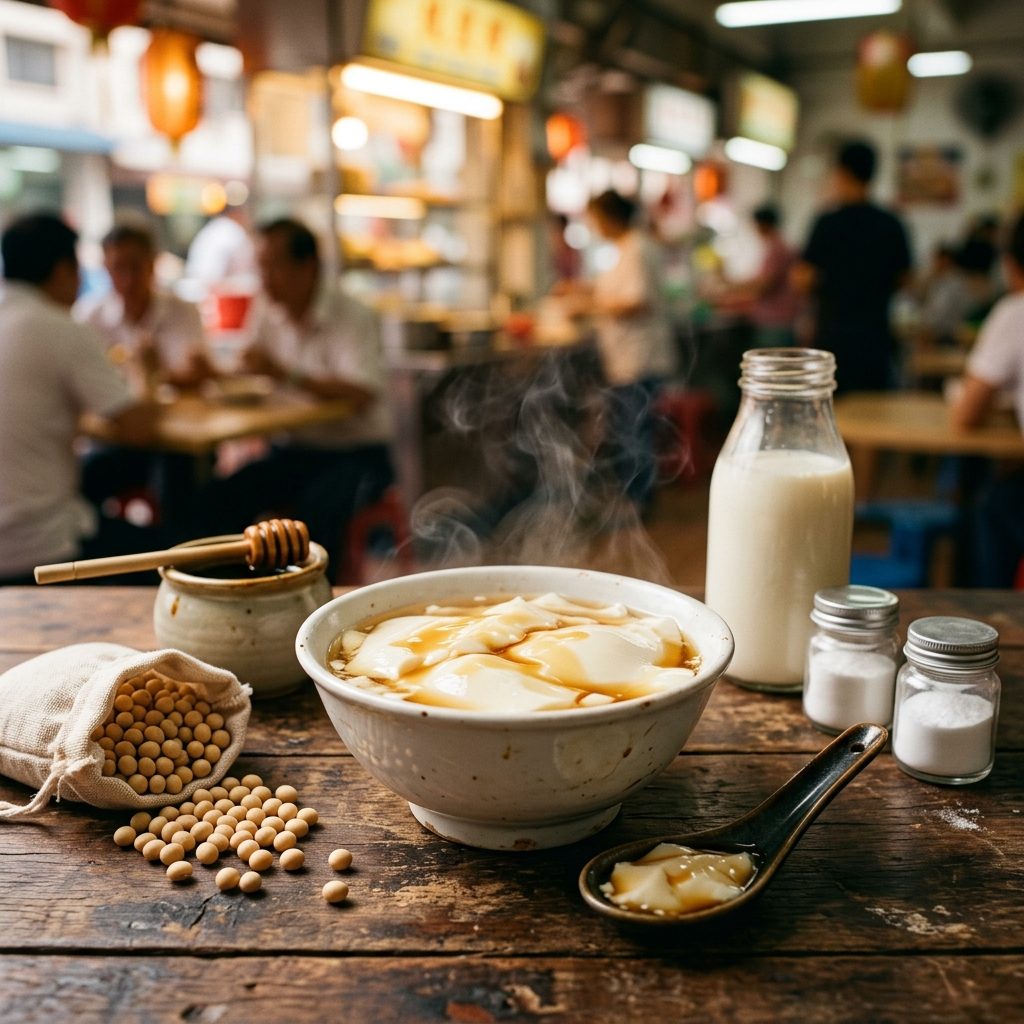
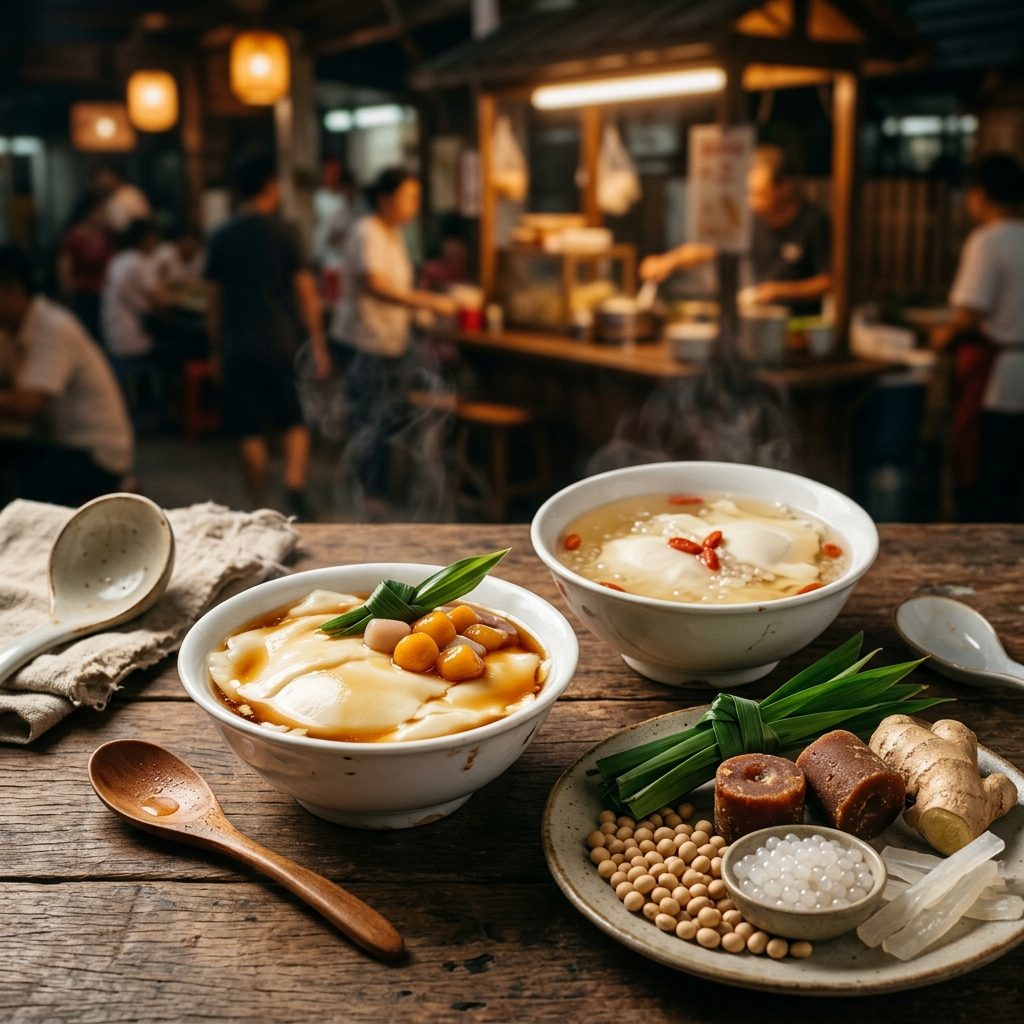
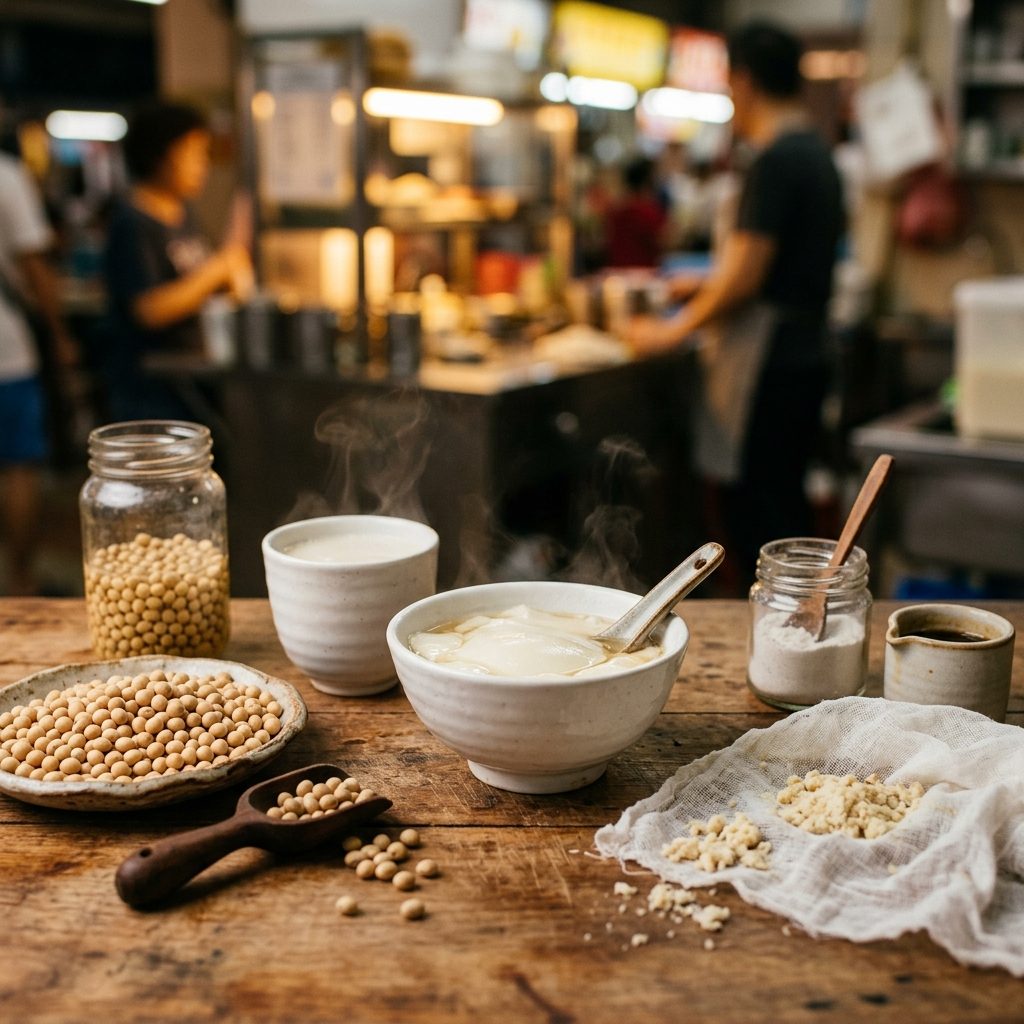
Soak the soya beans in plenty of water for at least 8 hours at room temperature, or overnight in the refrigerator. This ensures maximum milk extraction and a smoother texture. The beans should double in size.
Drain and rinse the soaked beans. Rub them between your palms to loosen the skins; though optional, removing the skins results in a whiter, cleaner-tasting beancurd.
Place the beans in a blender with the 2.1 liters of water (work in batches). Blend on high speed for 2 minutes until the liquid is milky and the solids are finely pulverized.
Pour the mixture through a fine sieve into a large pot to remove the large pulp. For a silky result, strain a second time using a muslin cloth or nut milk bag, squeezing firmly to extract every drop of milk (the remaining pulp, okara, can be discarded).
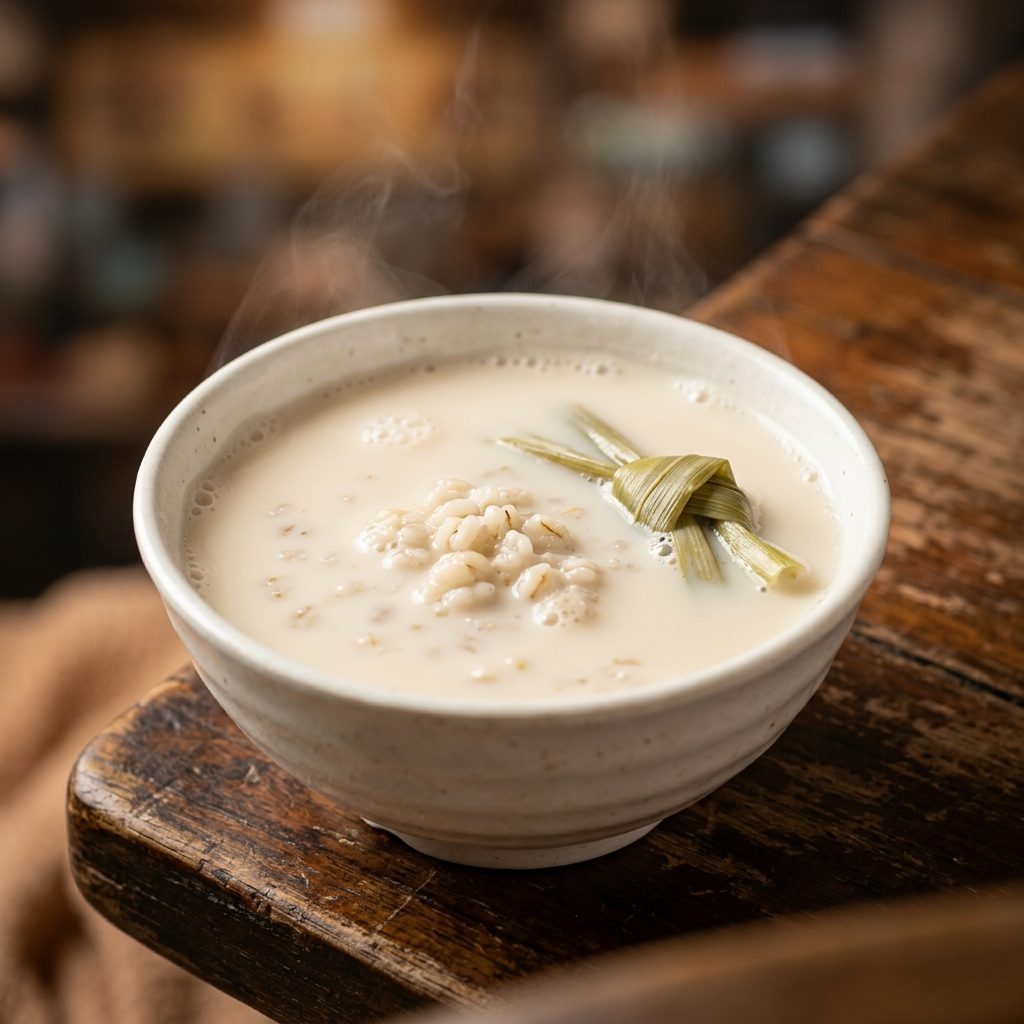
Bring the soya milk and pandan leaves to a gentle boil over medium heat. You must stir constantly to prevent the bottom from scorching. Once it boils, lower the heat and simmer for 10 minutes. Skim off any foam from the surface.
In a deep, heat-proof ceramic or plastic pot, whisk the gypsum powder, cornstarch, and 3 tablespoons of water to create a slurry. Ensure there are no lumps.
This is the critical step: Once the soya milk is boiling hot (about 90°C), give the gypsum slurry one last quick stir. Hold the pot of soya milk about 30cm above the slurry pot and pour it in a steady, rapid stream (the 'throwing' method). This force naturally mixes the coagulant without needing to stir.
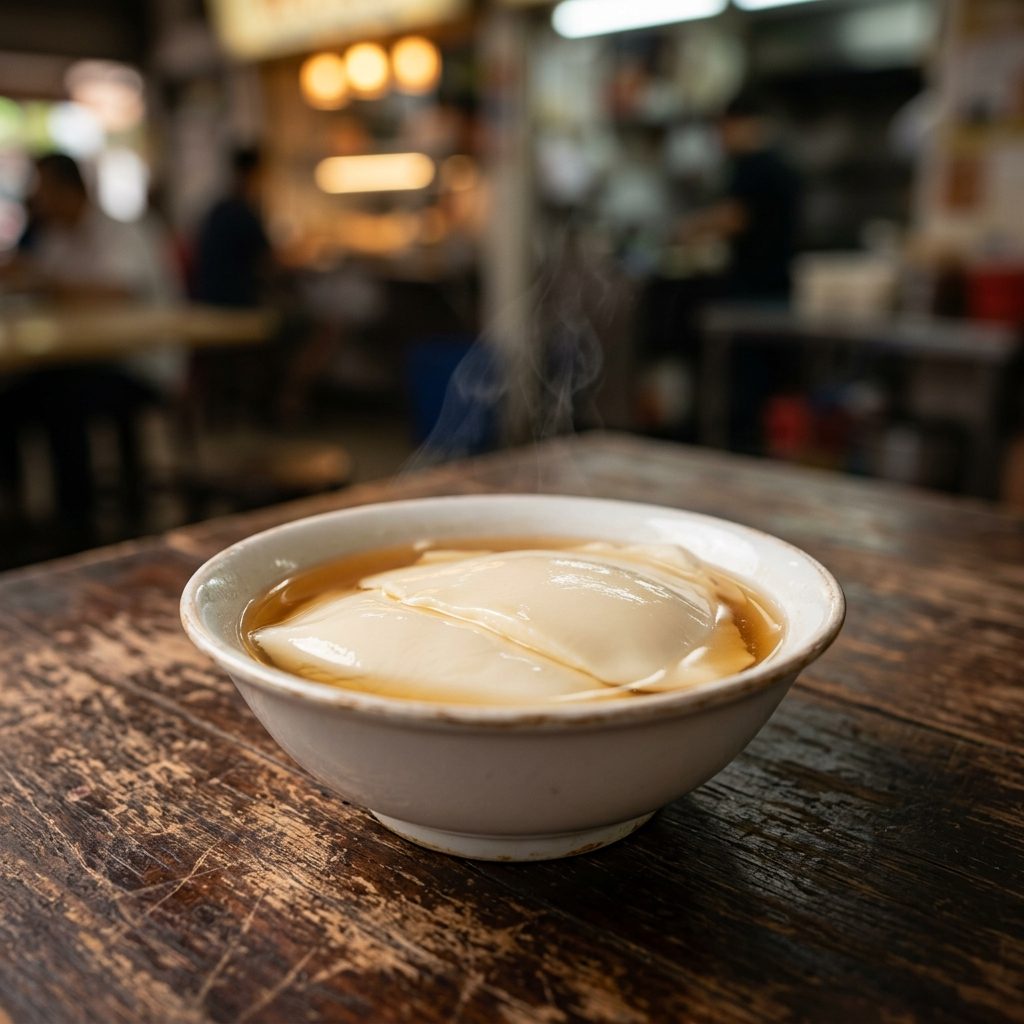
Immediately skim off any bubbles on the surface. Cover the pot with a clean kitchen towel (to catch condensation) and then the lid. Let it sit undisturbed for 30 to 45 minutes to set.
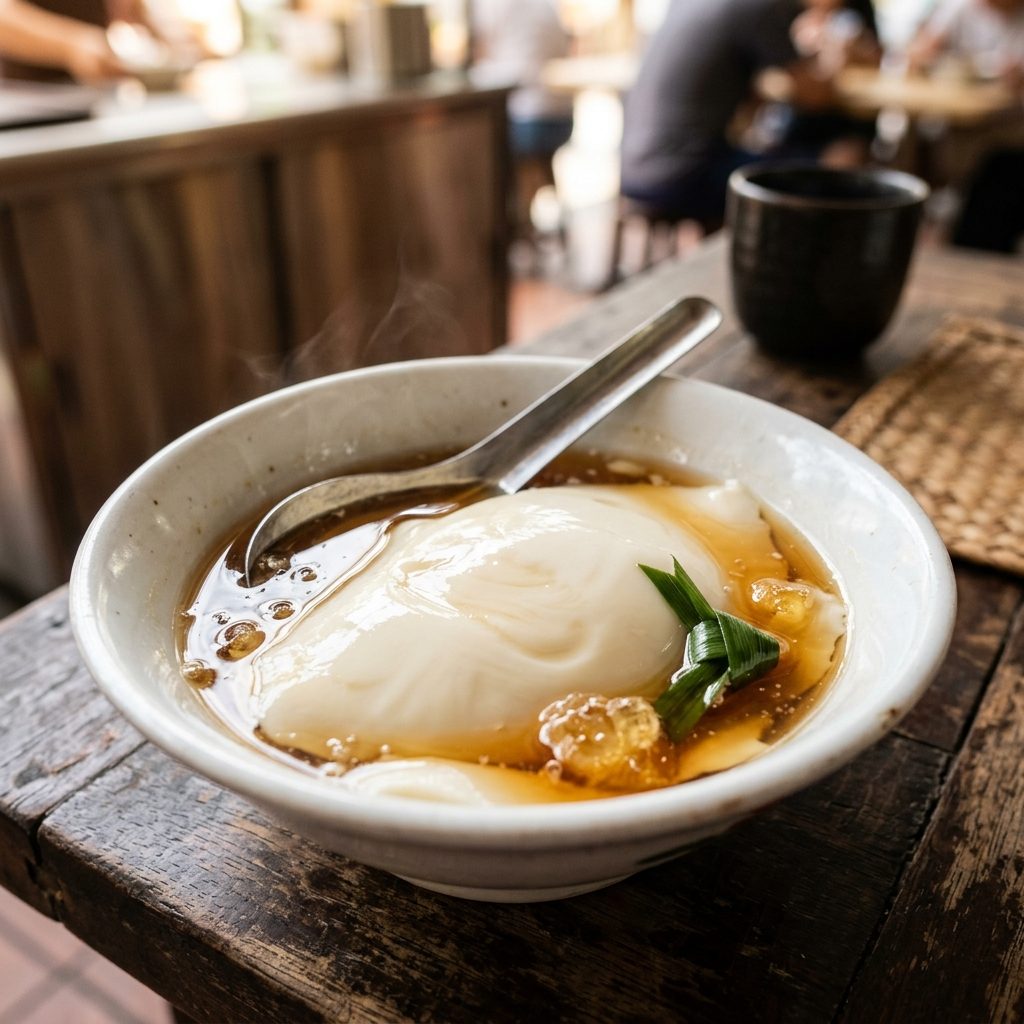
Prepare a simple syrup by boiling 200ml water with 100g rock sugar and pandan leaves until dissolved.
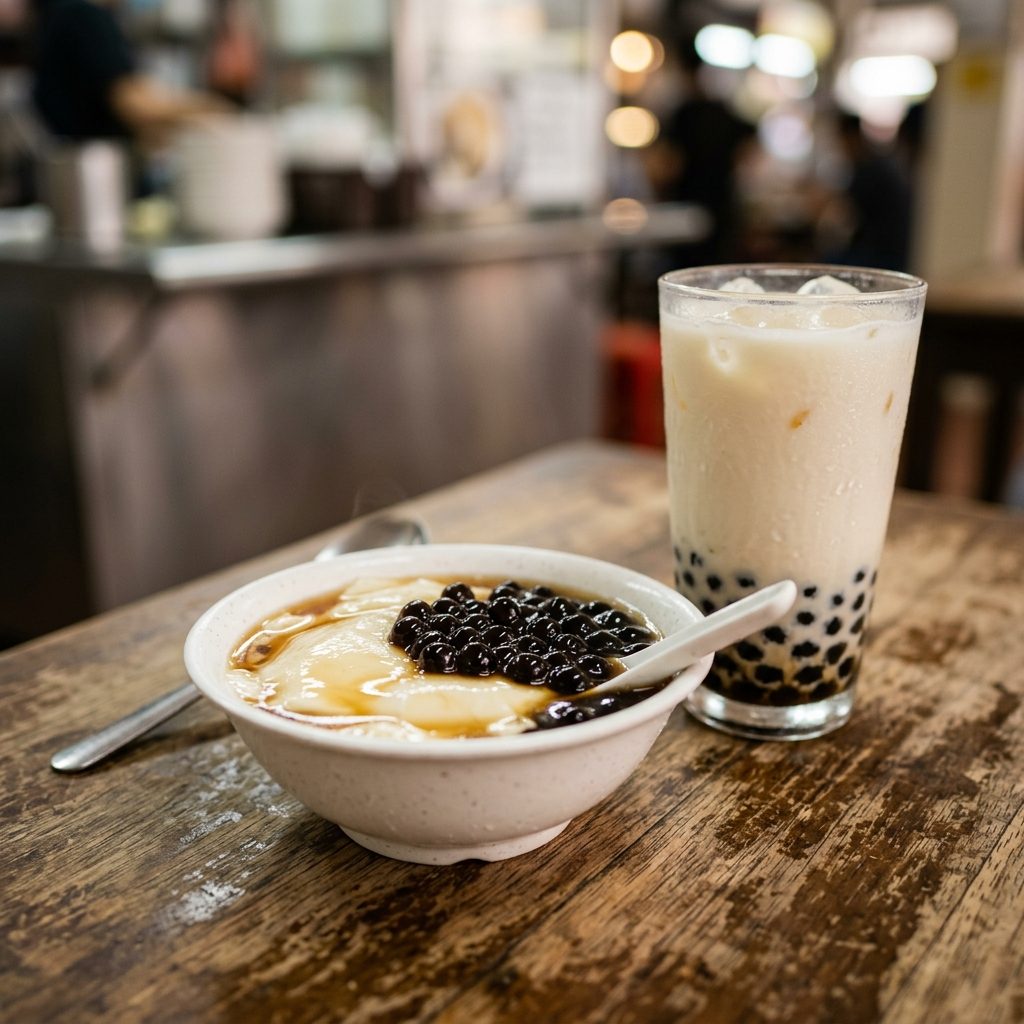
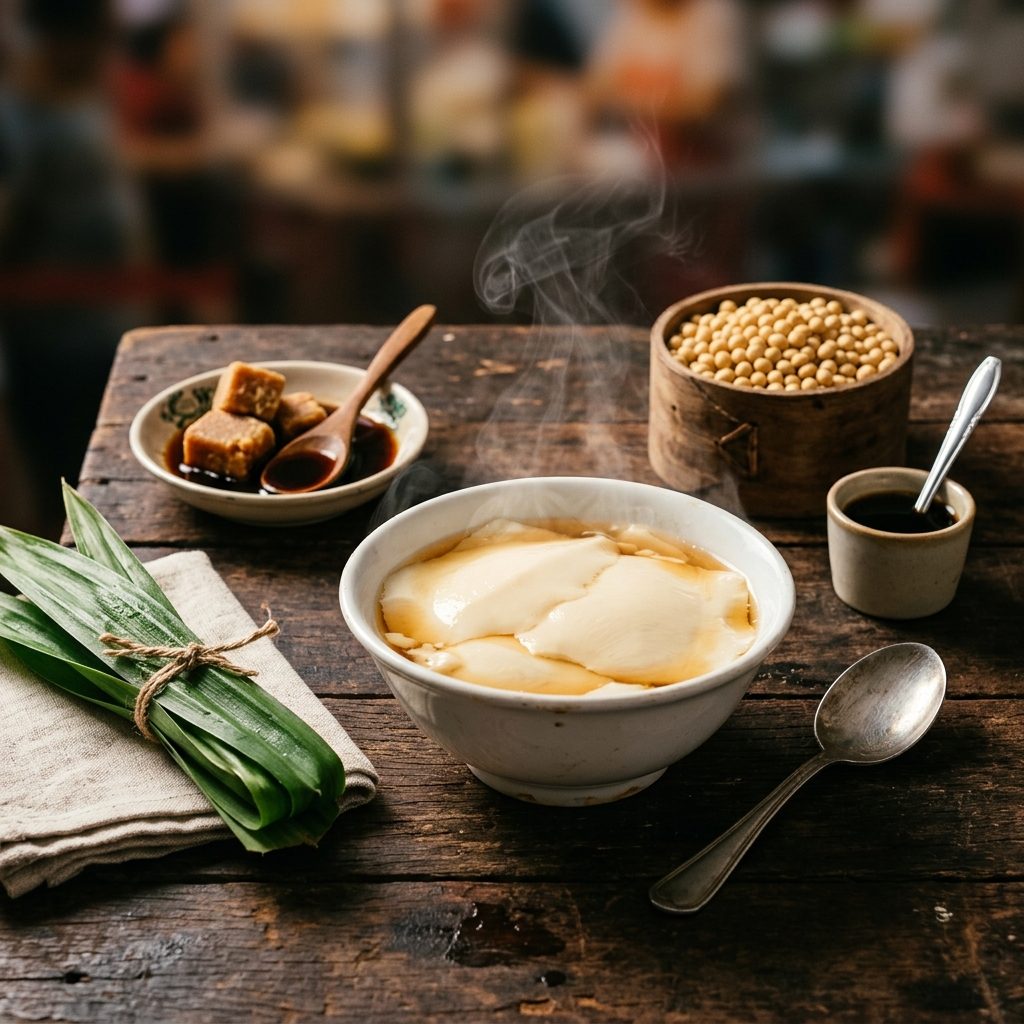
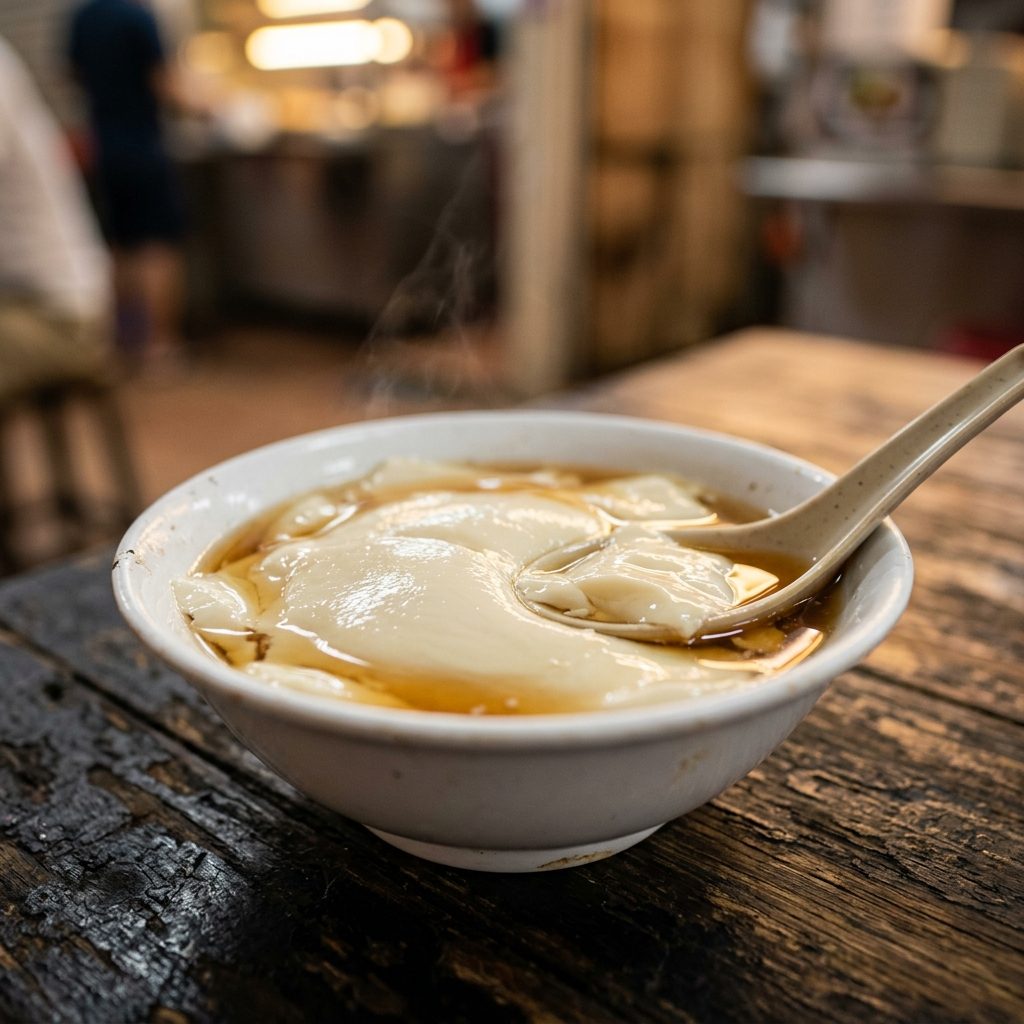
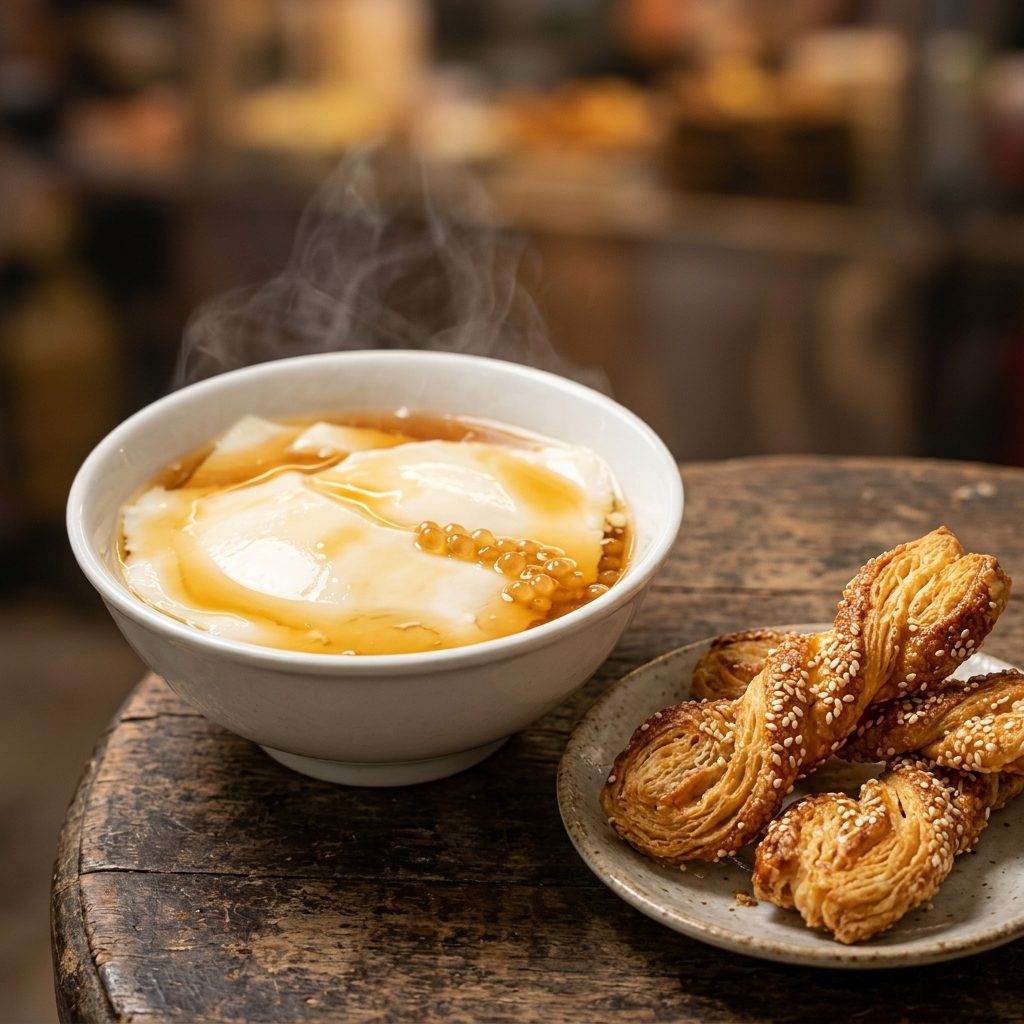
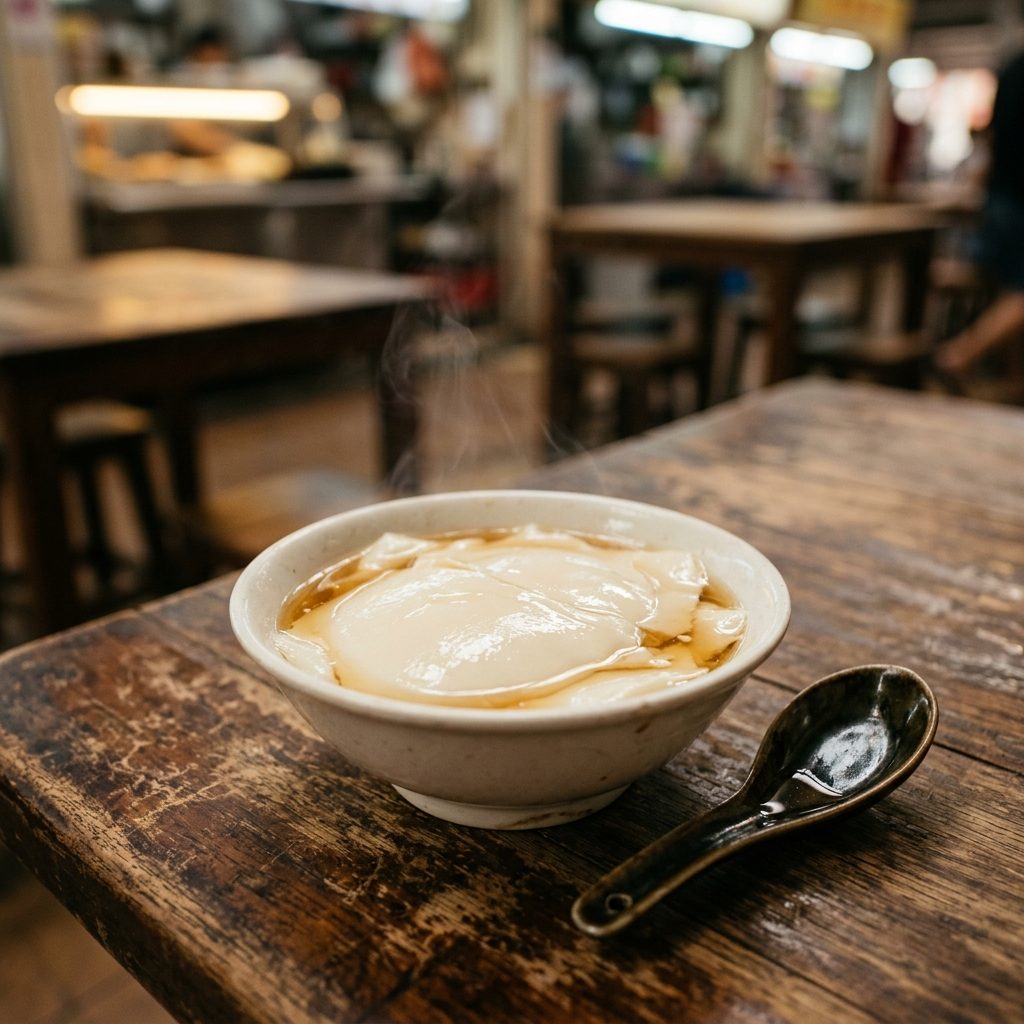
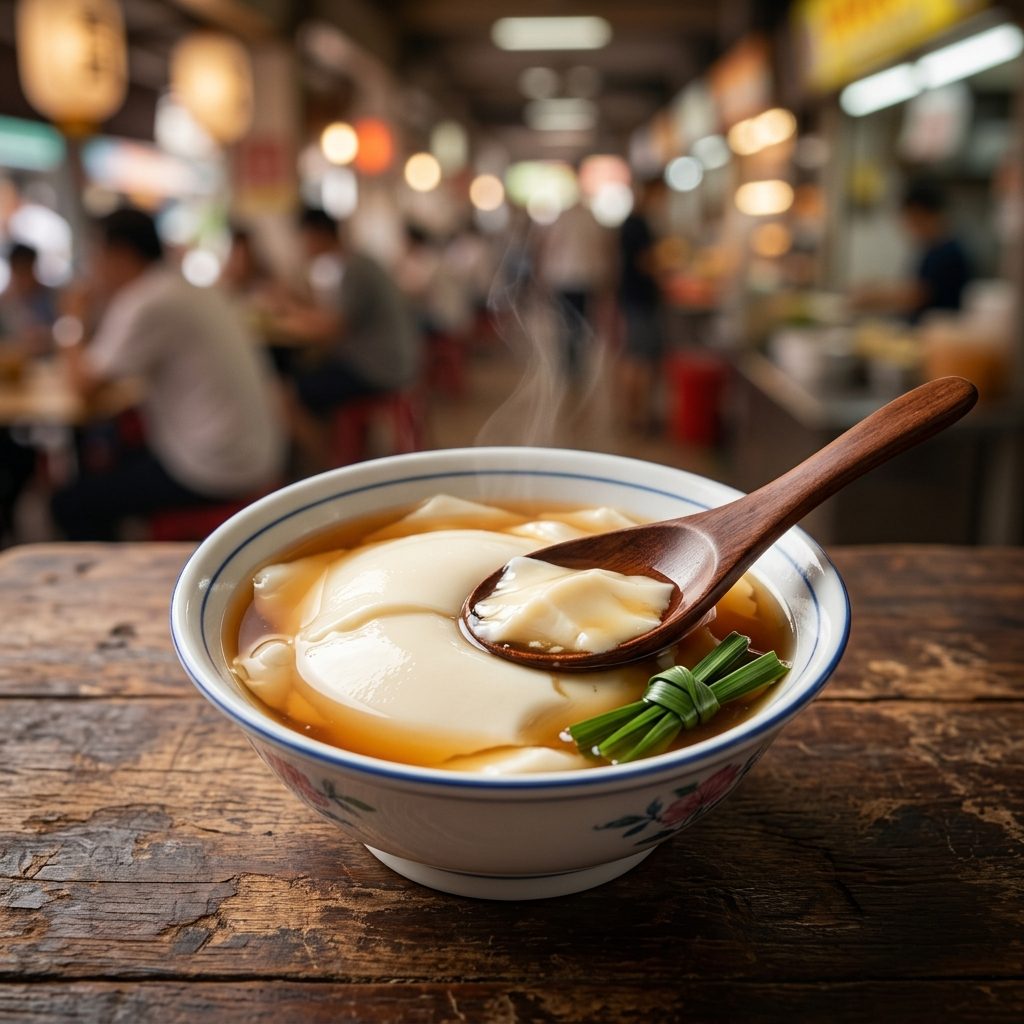
Gently thin-slice the set beancurd with a shallow spoon and serve warm with a drizzle of syrup. It is traditionally paired with crispy Youtiao (dough fritters).
Notes
The Hokkien name is Tau Huay and the Mandarin name is Dou Hua (豆花), which translates literally to 'Bean Flower,' describing the delicate curd structure.
Never stir the beancurd once the milk has been 'thrown' into the coagulant, as this will break the chemical bonds and prevent it from setting.
Using a kitchen towel under the lid is essential to prevent water droplets from falling onto the surface, which causes pits in the smooth finish.
The 1:7 bean-to-water ratio is the gold standard for home kitchens using blenders to ensure the milk is thick enough to coagulate.
Always use Food Grade Gypsum (Calcium Sulfate); do not substitute with plaster of Paris.
Questions
Why is my Tau Huay not setting?
Can I use GDL instead of Gypsum?
Is the cornstarch necessary?
How long does fresh Tau Huay stay fresh?
Another version of this dish, written for a home kitchen outside Singapore: Chinese Crullers (Youtiao) on Recipe.net.