Guide
Mastering Homemade Tau Huay: A Guide to Ratios and Coagulants
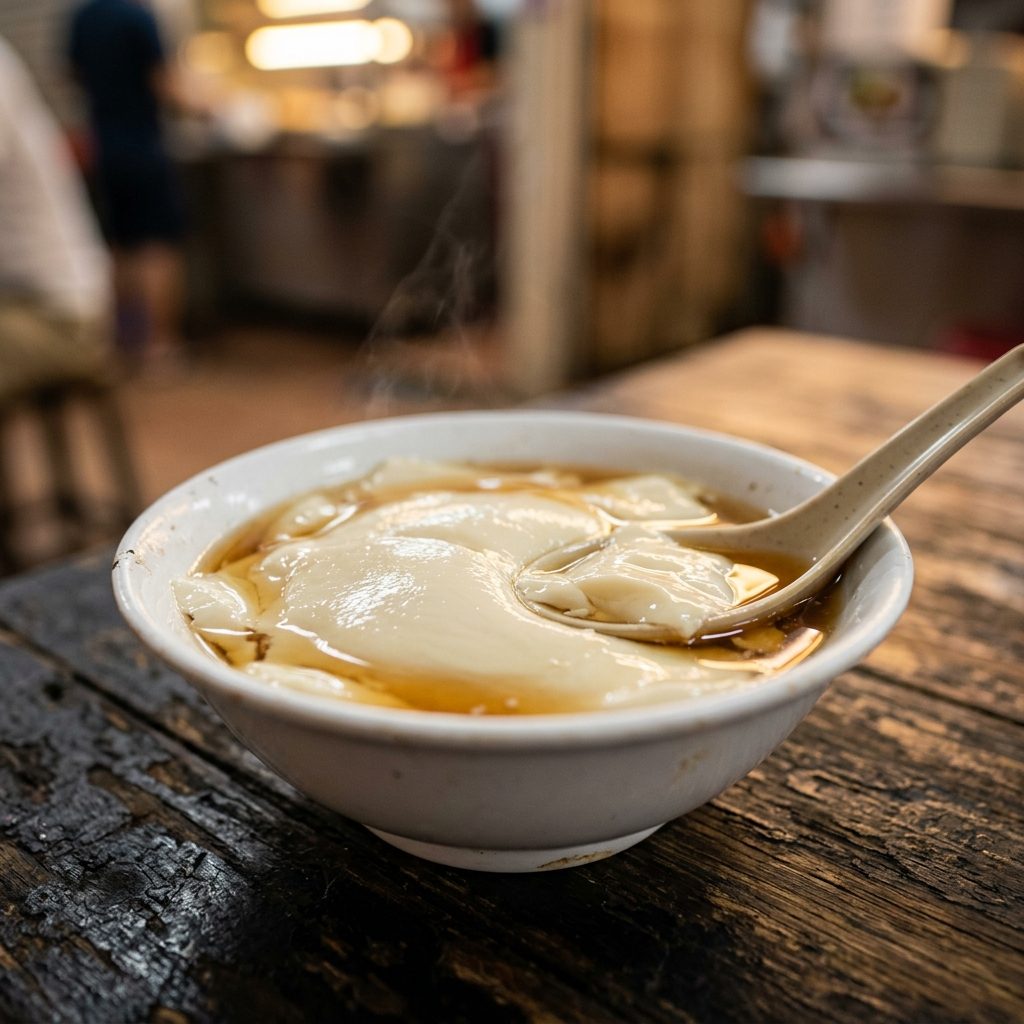
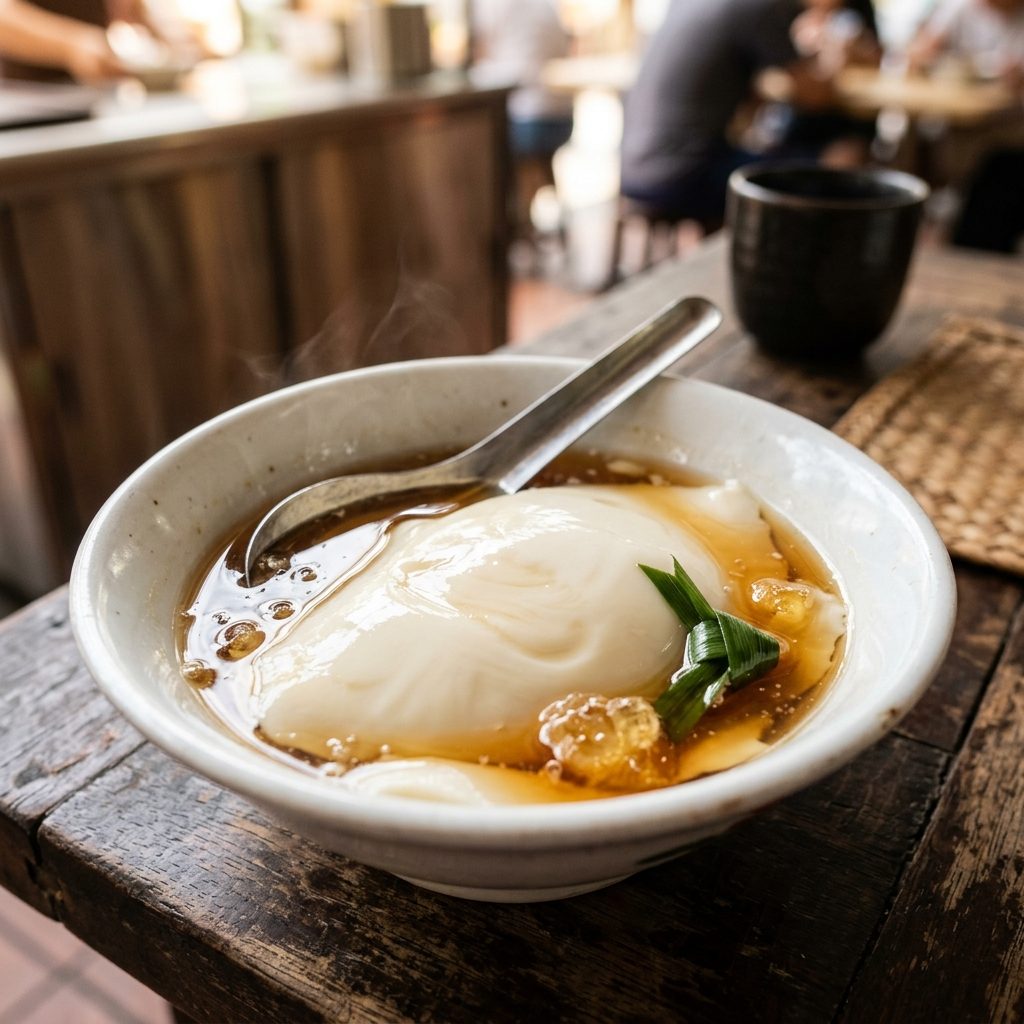
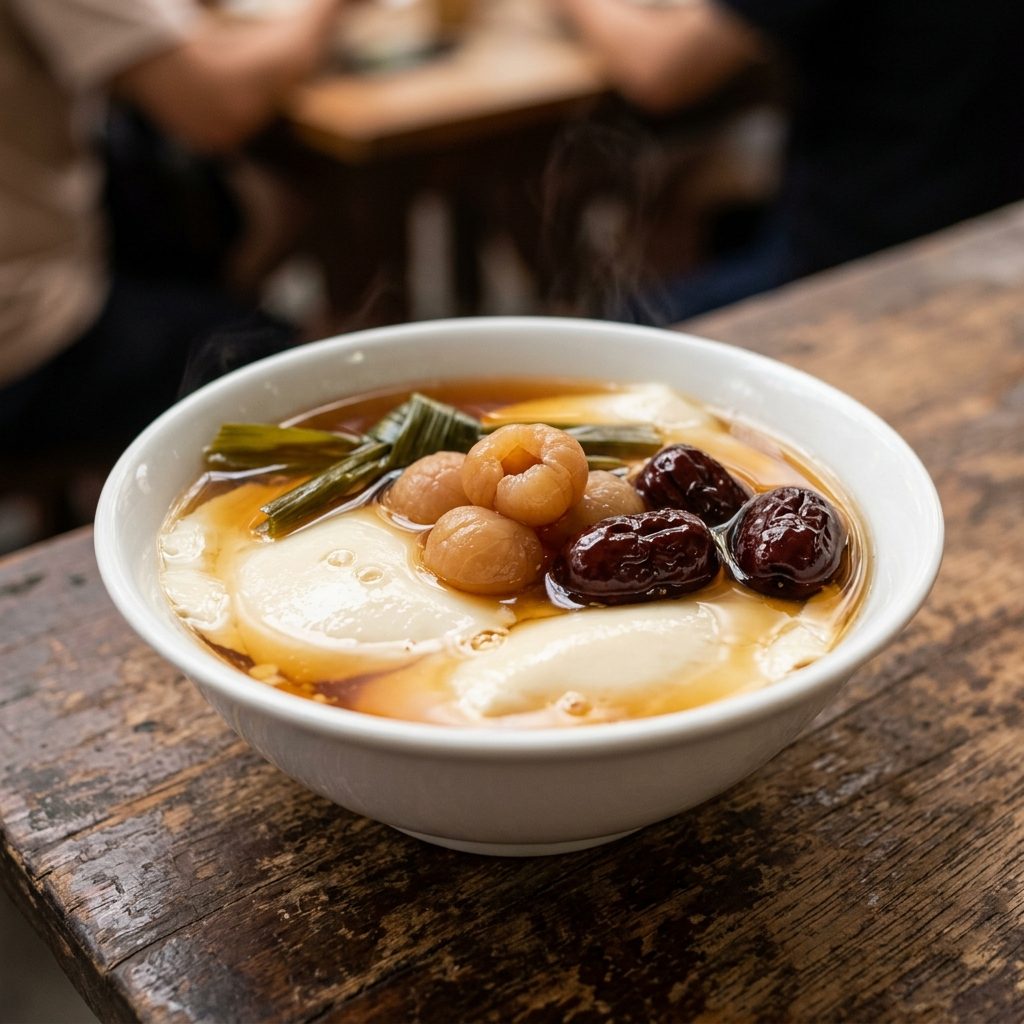
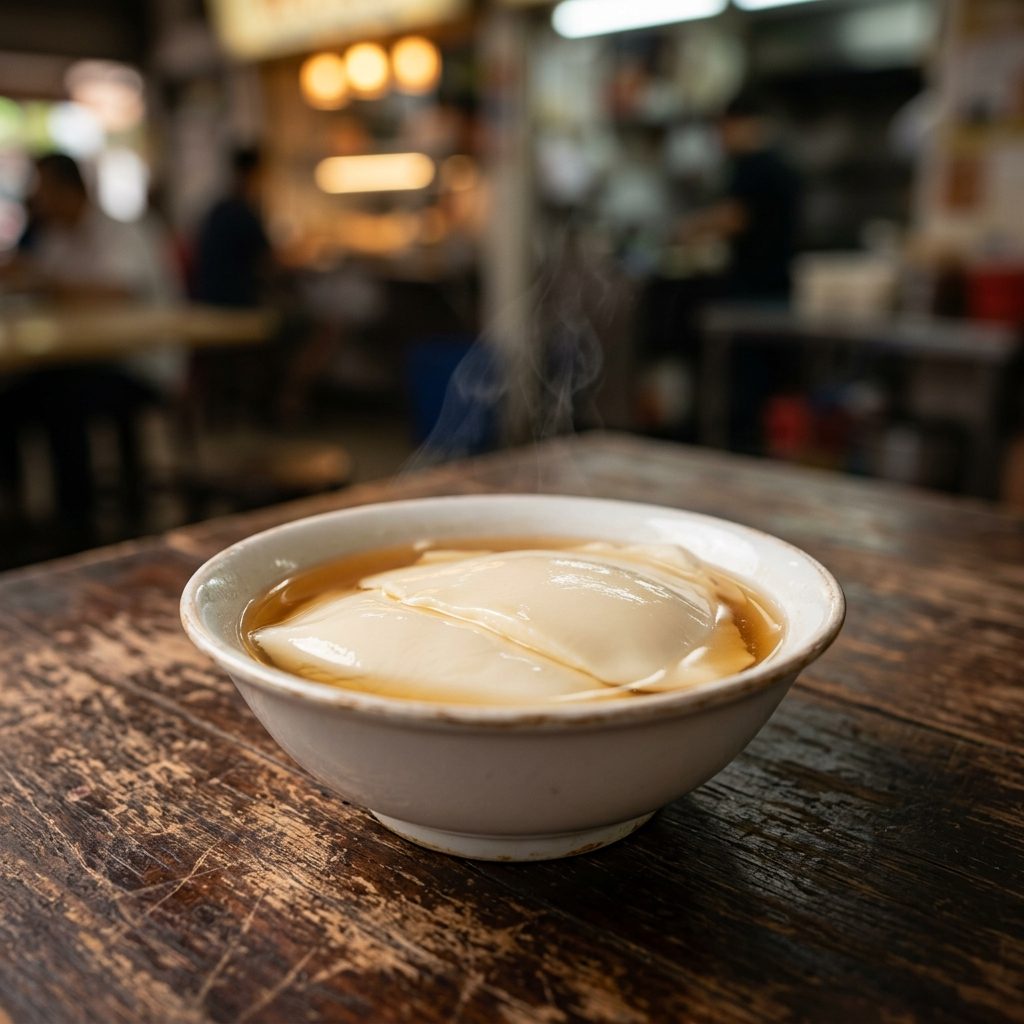
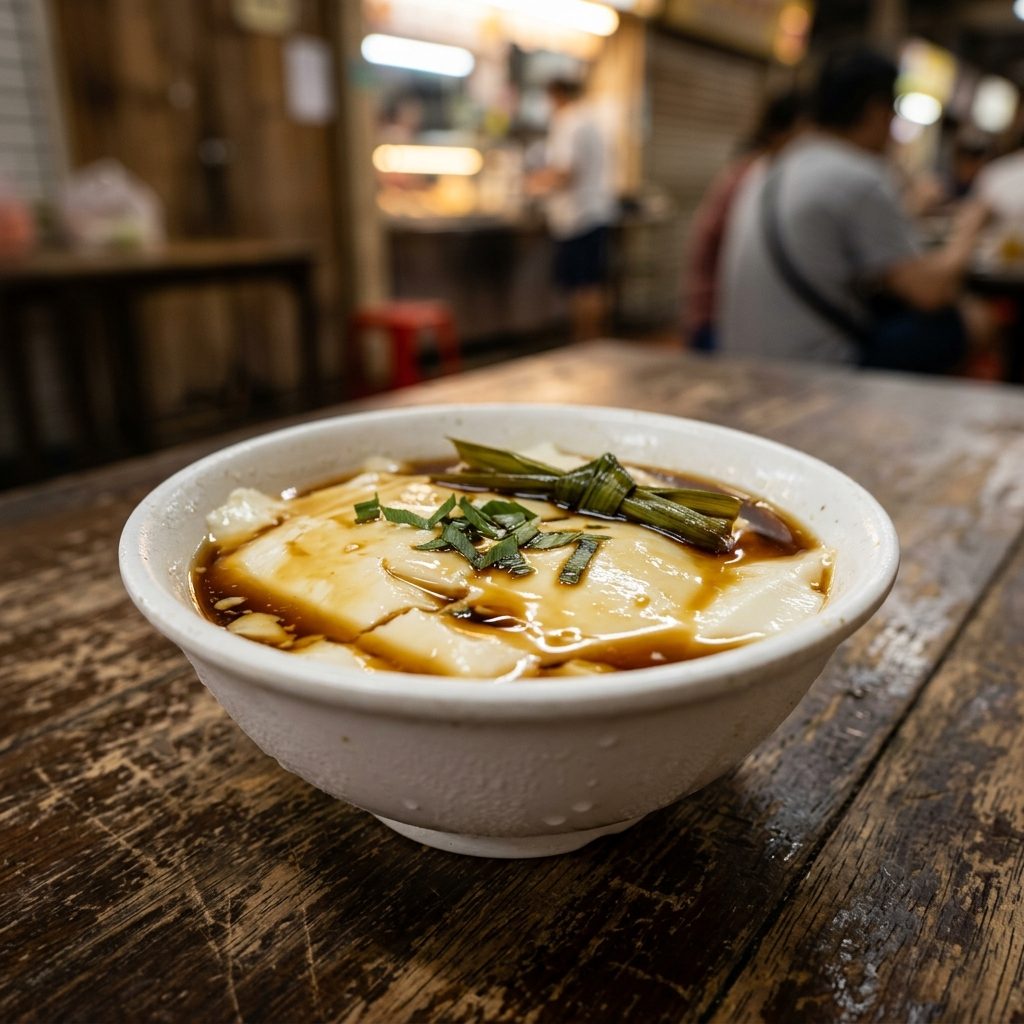
Tau Huay (豆花), which translates from Hokkien as 'bean flower,' is the quintessential Singaporean dessert known for its silk-like texture. Whether you prefer the traditional warm curd or the modern chilled pudding style, achieving the perfect set depends entirely on your choice of coagulant and the precision of your soy milk base.
Step 1: Preparation and Soaking
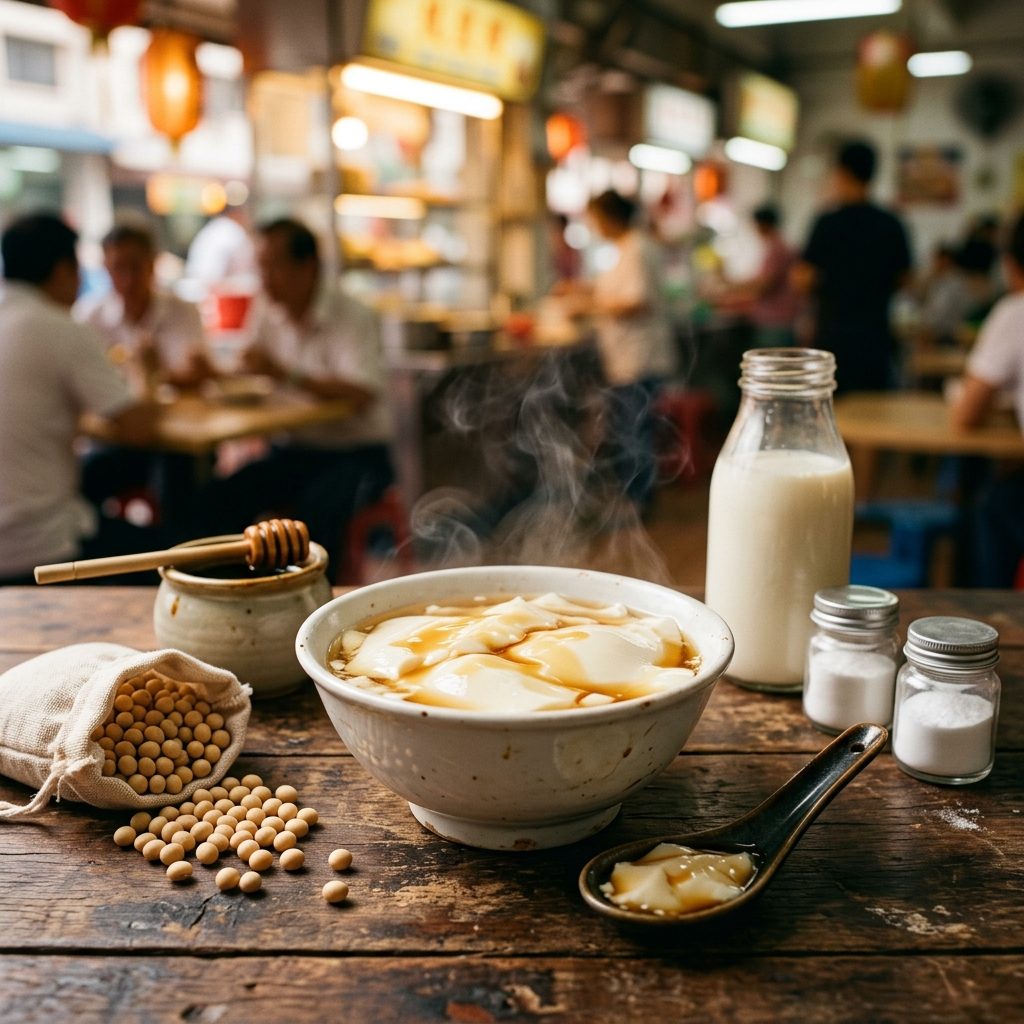
Start with 250g of dried non-GMO soybeans. Rinse them thoroughly until the water runs clear. Soak the beans in 1 liter of room-temperature water for exactly 6 to 8 hours. Do not exceed 10 hours, as the beans may begin to ferment, resulting in a sour aftertaste. Once soaked, the beans should have doubled in size and look oval rather than round.
Step 2: Blending and Straining
Drain the soaking water and discard it. Place the soaked beans into a high-speed blender with 1.5 liters of fresh water. Blend on high until the mixture is completely white and frothy with no large bean fragments. To achieve the signature hawker smoothness, strain the mixture through a fine sieve lined with a muslin cloth or a nut milk bag. Squeeze firmly to extract every drop of soy milk, leaving behind the dry pulp (okara).
Step 3: Boiling the Soy Milk
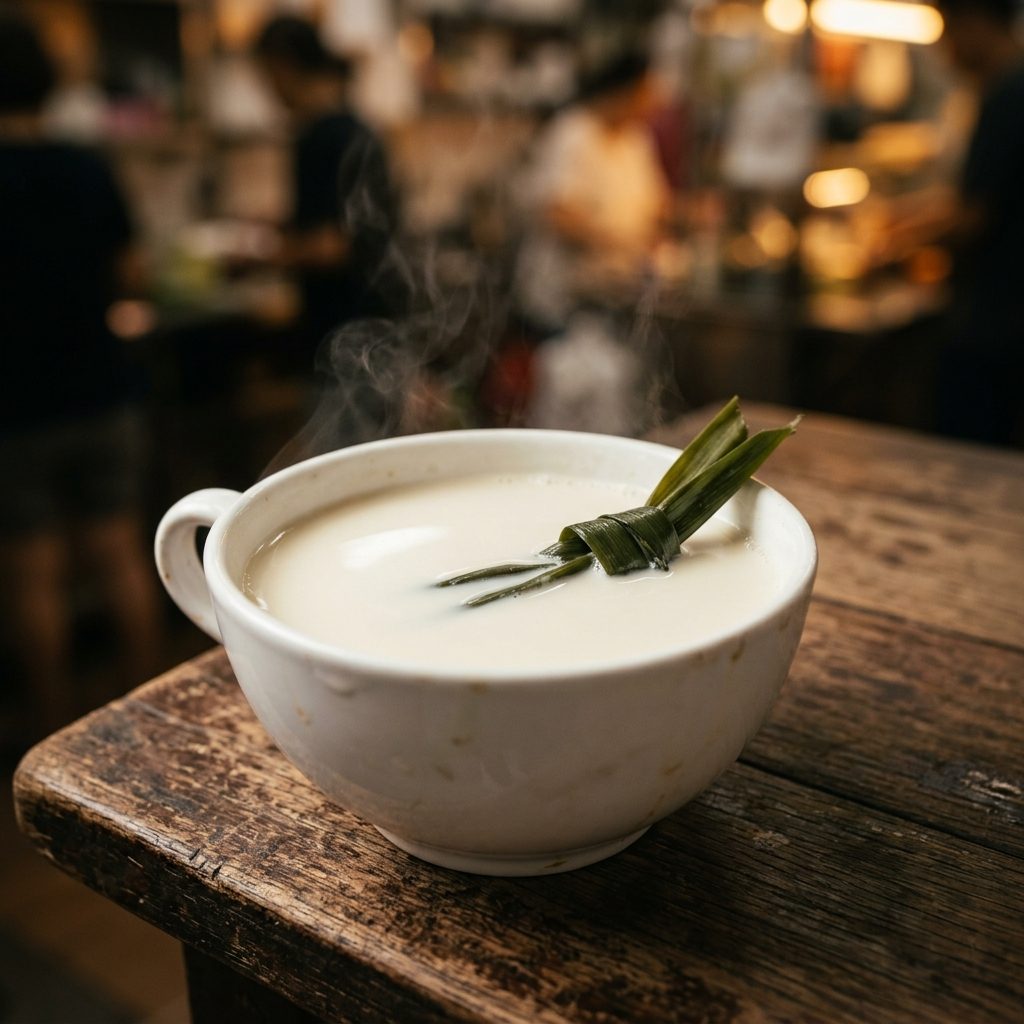
Transfer the soy milk to a large, heavy-bottomed pot. Bring it to a gentle boil over medium heat, stirring constantly to prevent the bottom from scorching. Once it reaches a rolling boil, lower the heat and simmer for 10 minutes to cook out the 'beany' raw flavor. Skim off any foam or skin that forms on the surface. You should have approximately 1.2 to 1.3 liters of concentrated soy milk remaining.
Step 4: The Traditional Gypsum Method
For the classic warm curd, use food-grade Gypsum (Shi Gao/石膏). In a large heat-proof ceramic or plastic container, mix 1 teaspoon of gypsum powder with 1 tablespoon of cornstarch and 3 tablespoons of room-temperature water. Stir well to ensure there are no lumps. While the soy milk is still hot (about 85°C to 90°C), give the gypsum slurry a final stir, then pour the hot soy milk quickly into the container from a height of about 30cm. This 'hitting' action mixes the coagulant naturally. Do not stir. Cover and let it sit undisturbed for 30 minutes.
Step 5: The Chilled Gelatine Method
For the modern 'pudding' style often found in Singapore malls, use gelatine. For 1 liter of hot soy milk (cooled slightly to 70°C), stir in 10g of bloomed gelatine powder or 4 softened gelatine sheets. Stir until completely dissolved. Pour the mixture into individual bowls and refrigerate for at least 4 to 6 hours until set. This version is always served cold and does not require the 'hitting' technique used with gypsum.