Traditional Snacks
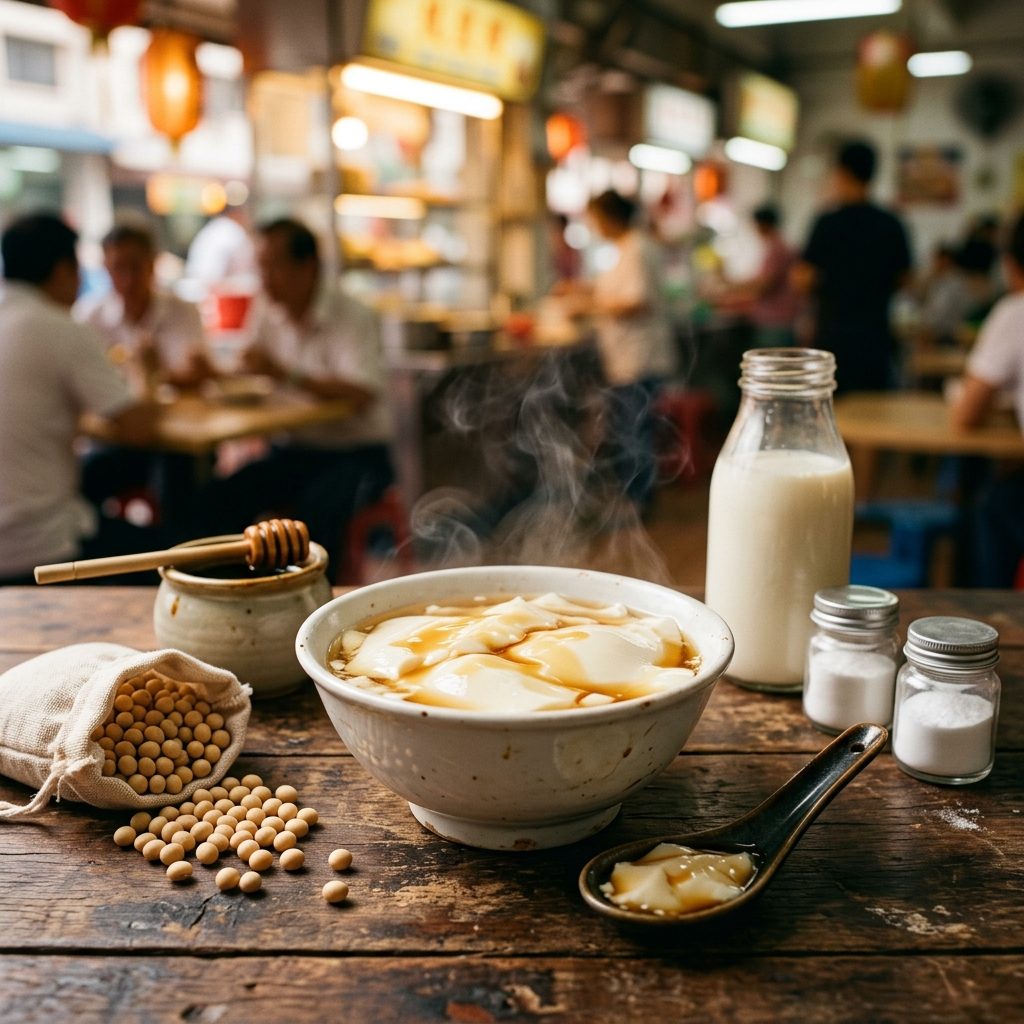
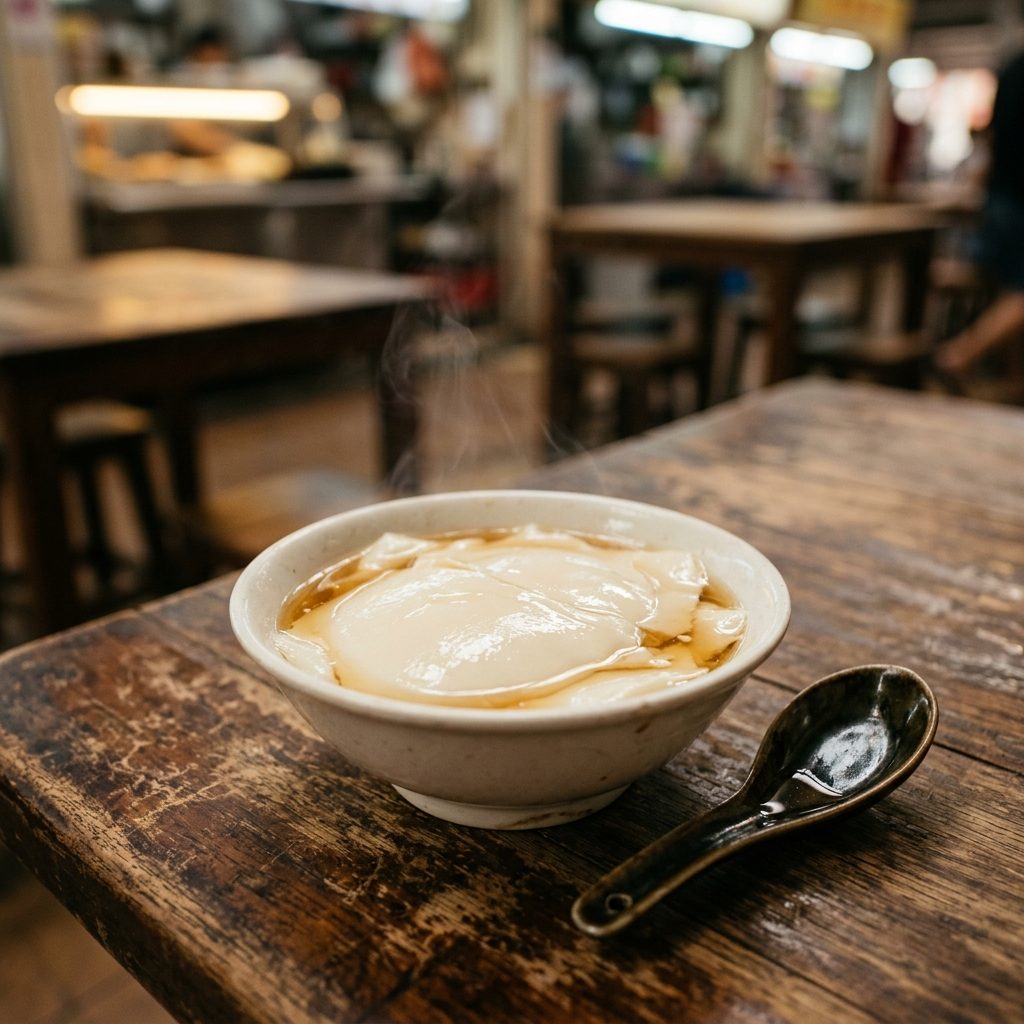
Authentic Singaporean Soya Beancurd Recipe (Tau Huay)
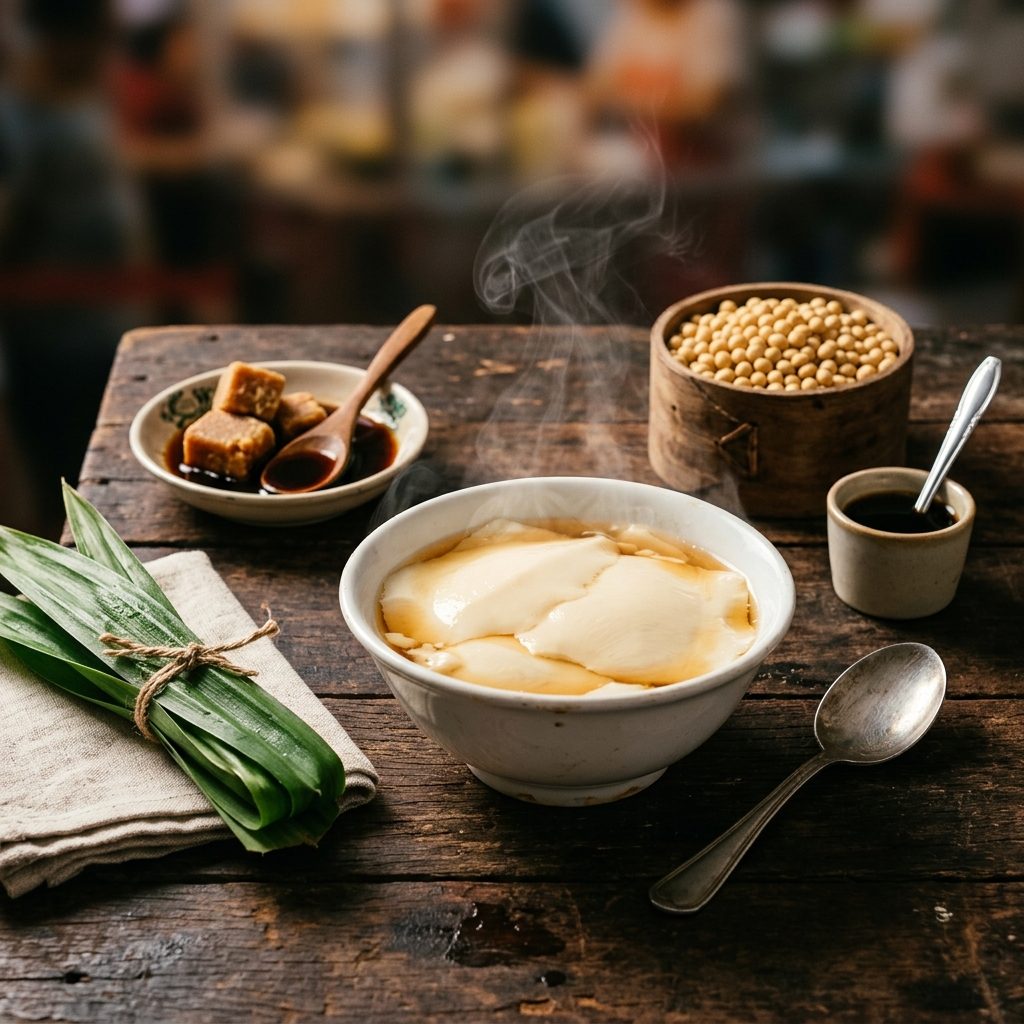
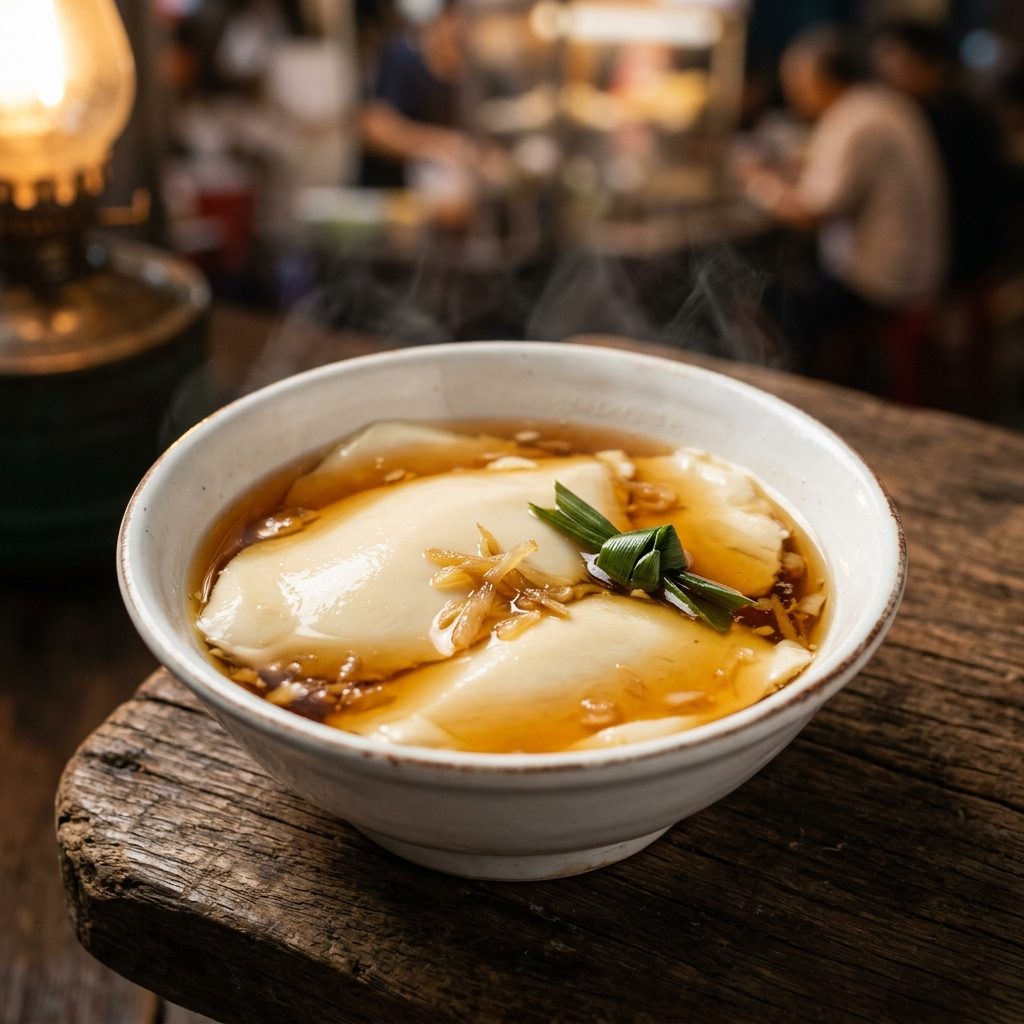
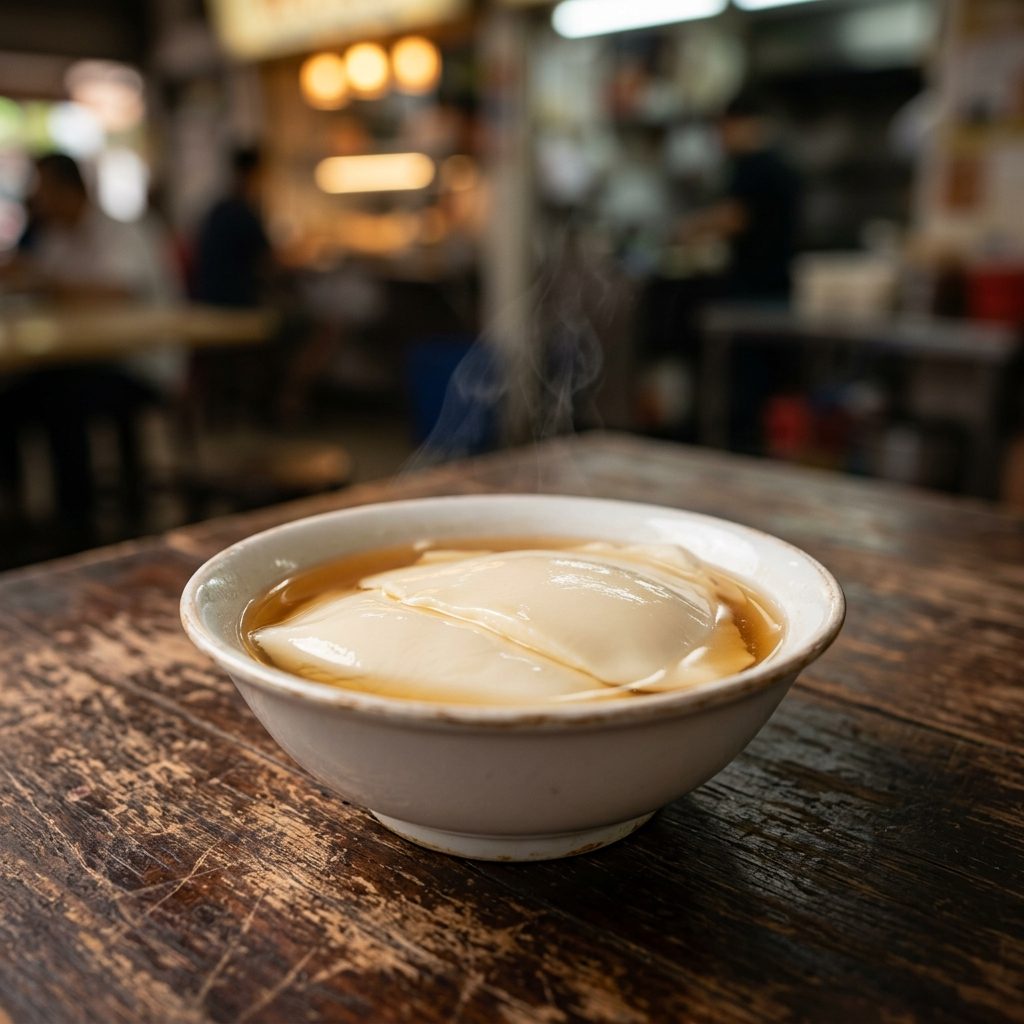
Experience the nostalgic taste of traditional Singaporean hawker centers with this ultra-smooth, melt-in-your-mouth soya beancurd. Known as Tau Huay (豆花) in Hokkien, which literally translates to 'Bean Flower', this recipe delivers a delicate curd paired with a fragrant ginger-infused sugar syrup.
- Prep
- 15 min
- Cook
- 30 min
- Serves
- 4
- Level
- Medium
- Per serving
- 500 kcal
Method
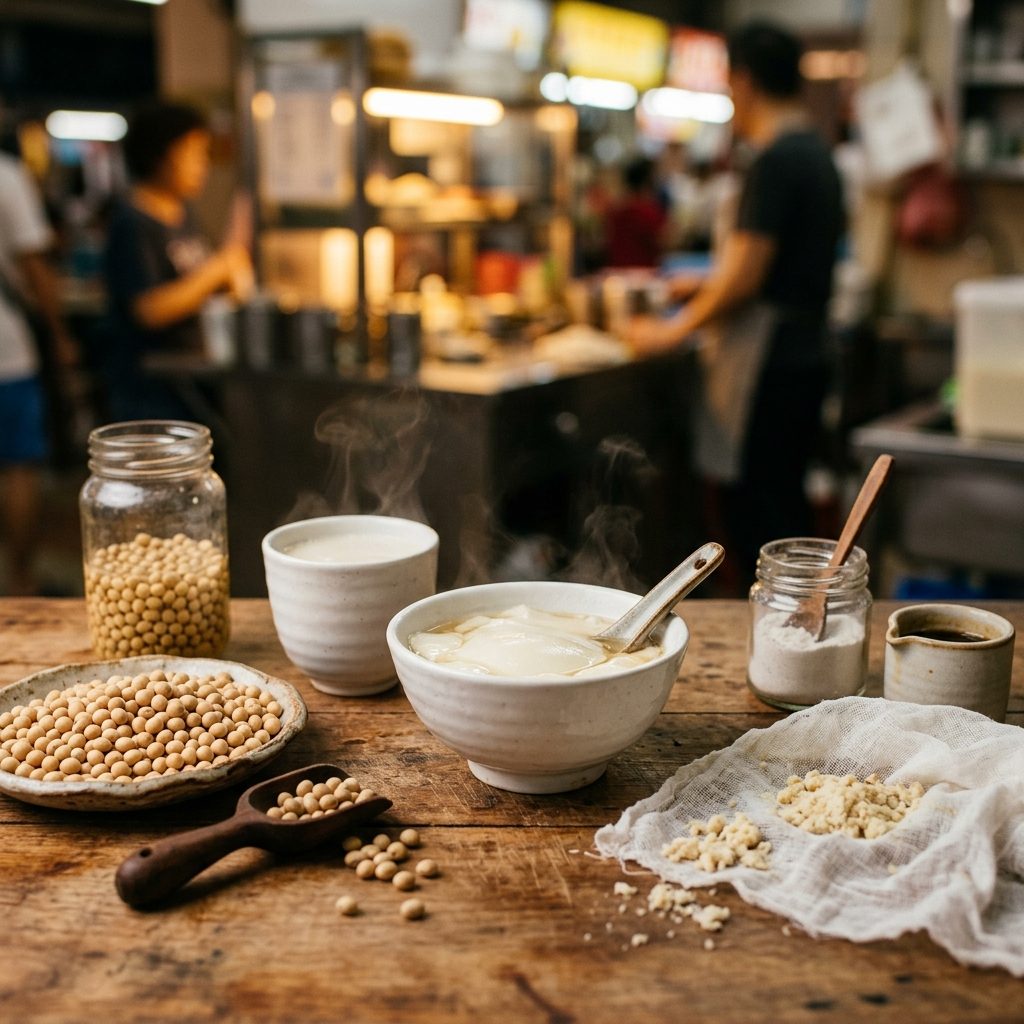
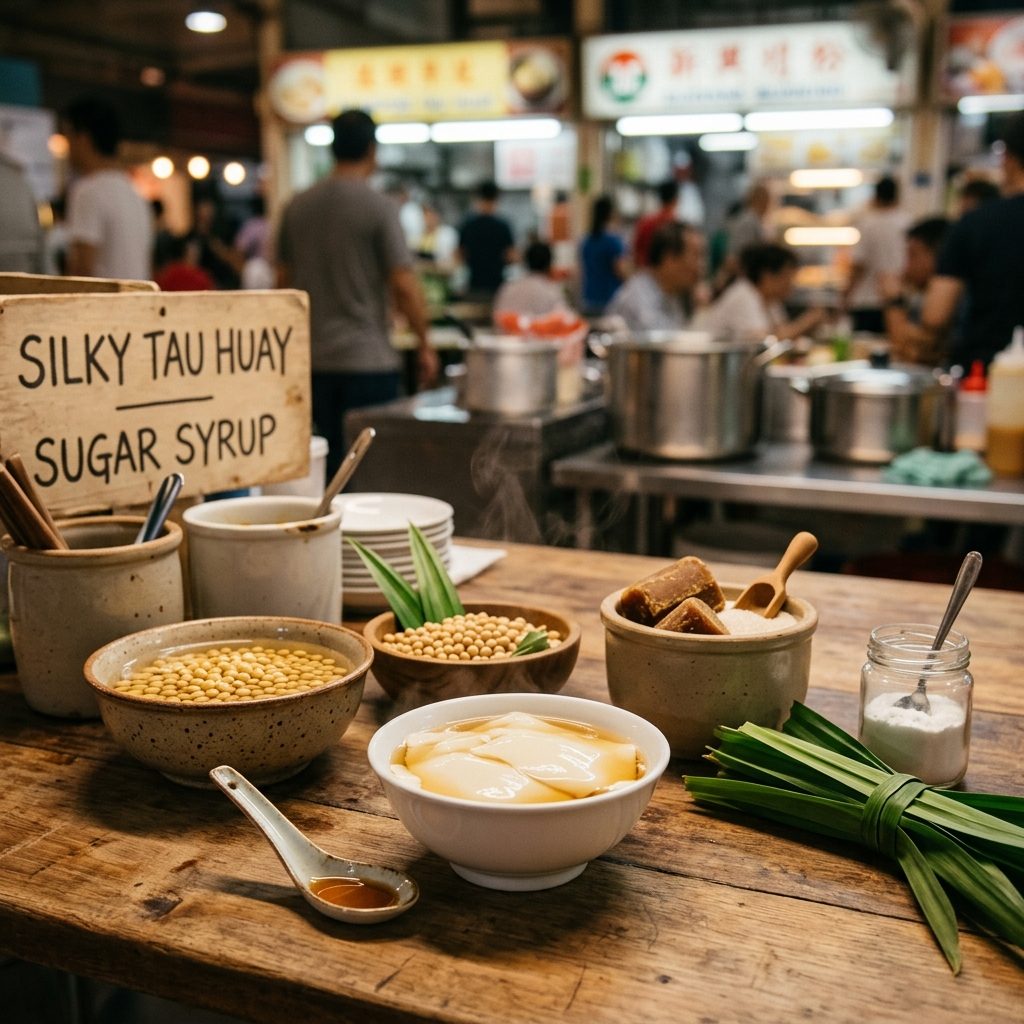
Preparation of Beans. Rinse the dried soybeans thoroughly under cold water. Soak them in a large bowl with at least 1 liter of water for 6 to 8 hours (or overnight in the fridge if in a hot climate). The beans are ready when they have doubled in size and are easy to split with your fingernail.
Blending. Drain and rinse the soaked beans. In a blender, process the beans with 2 liters of fresh filtered water in batches. Use a bean-to-water ratio of approximately 1:6 by weight for a rich, creamy consistency.
Straining. Pour the blended mixture through a fine sieve lined with a double-layered muslin cloth or a nut milk bag into a large pot. Squeeze the cloth firmly to extract every drop of soy milk, leaving behind the dry pulp (okara).
Boiling. Bring the raw soy milk to a gentle boil over medium heat, stirring constantly to prevent the bottom from scorching. Once it reaches a boil, reduce heat and simmer for 10 minutes, skimming off any foam that rises to the surface.
Preparing the Coagulant. In a large, deep ceramic or heat-proof bowl, whisk together the gypsum powder, cornstarch, and 100ml of cool water until no lumps remain. This is the 'slurry' that will set your curd.
The Pour. Stir the hot soy milk one last time, then quickly and decisively pour the hot milk from a height of about 30cm into the bowl containing the gypsum slurry. The force of the pour should naturally mix the slurry. Do not stir after pouring. Quickly skim off any surface bubbles with a spoon.
Setting. Cover the bowl with a clean kitchen towel and a lid. Let it sit undisturbed for at least 30 to 45 minutes to set into a soft curd.
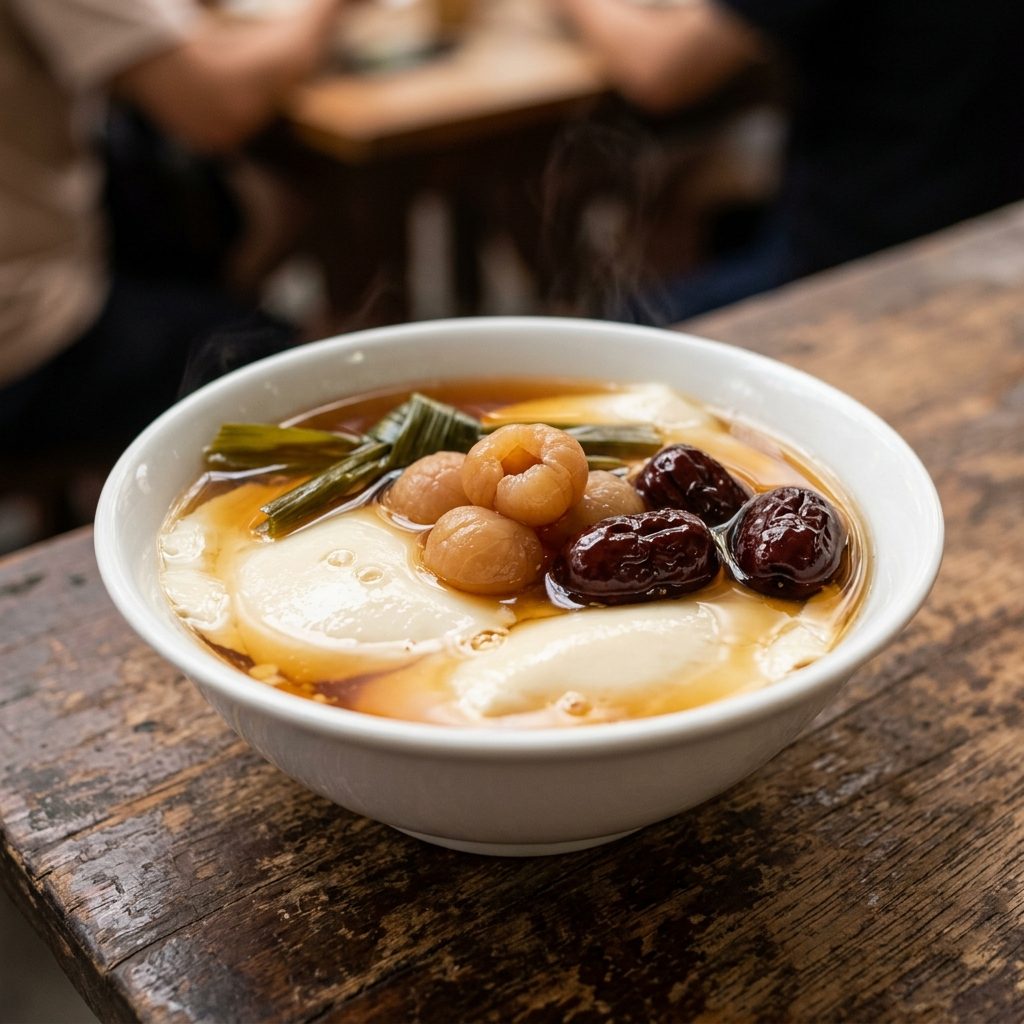
Syrup and Serving. While the curd sets, boil the sugar, 500ml water, pandan leaves, and bruised ginger until the sugar dissolves and the syrup is fragrant. To serve, use a wide, shallow spoon to shave thin layers of the warm beancurd into a bowl and drizzle with the ginger syrup.
Notes
Never stir the mixture after pouring the milk into the coagulant; stirring will prevent the curd from forming a smooth, continuous structure.
Ensure the soy milk is at least 85-90°C when pouring; the high heat is necessary to activate the gypsum.
Straining the milk twice through a very fine cloth ensures the final texture is silky and free of grit.
Use a wooden or ceramic bowl for setting as they retain heat better than thin metal bowls.
Questions
What is Gypsum powder and where can I find it?
Can I use Gelatine instead of Gypsum?
Why is my beancurd watery or not setting?
What is the meaning of Tau Huay?
Another version of this dish, written for a home kitchen outside Singapore: Curry Puffs on Recipe.net.