Guide
Mastering Tau Huay and Xi Shi Beancurd: A Home Guide to Silky Soya Desserts
Discover the culinary distinctions between traditional Hokkien Tau Huay and the modern Xi Shi beancurd. This guide provides exact ratios and techniques to recreate these iconic Singaporean hawker staples using standard home kitchen equipment.
Section 1: Understanding the Names and Textures
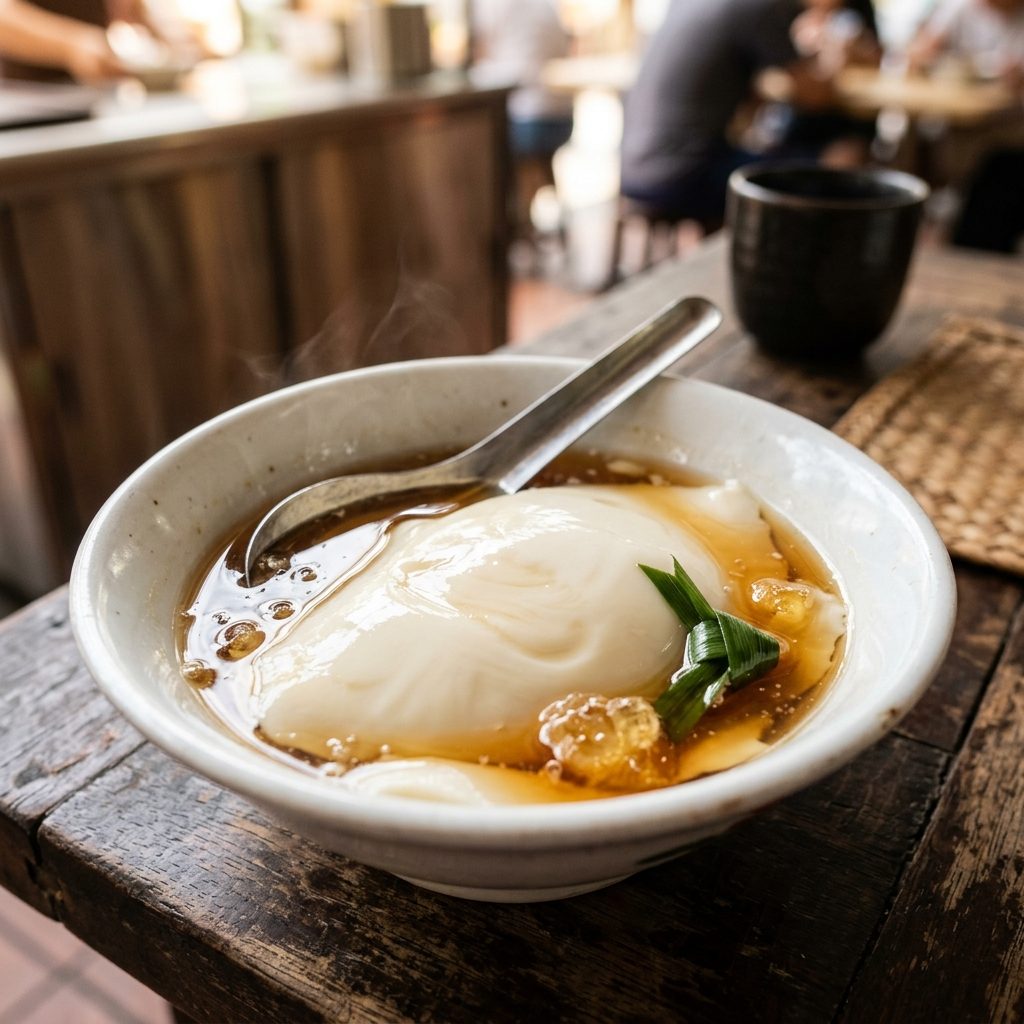
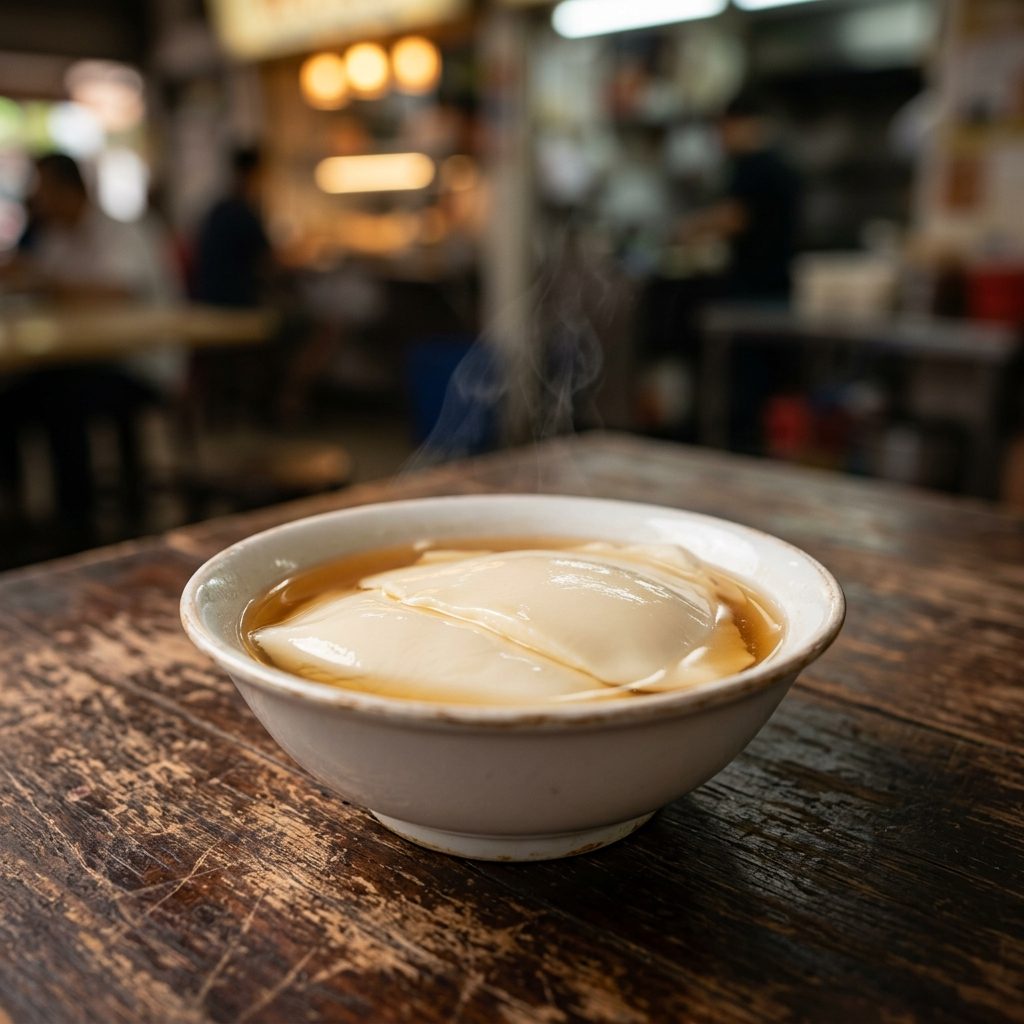
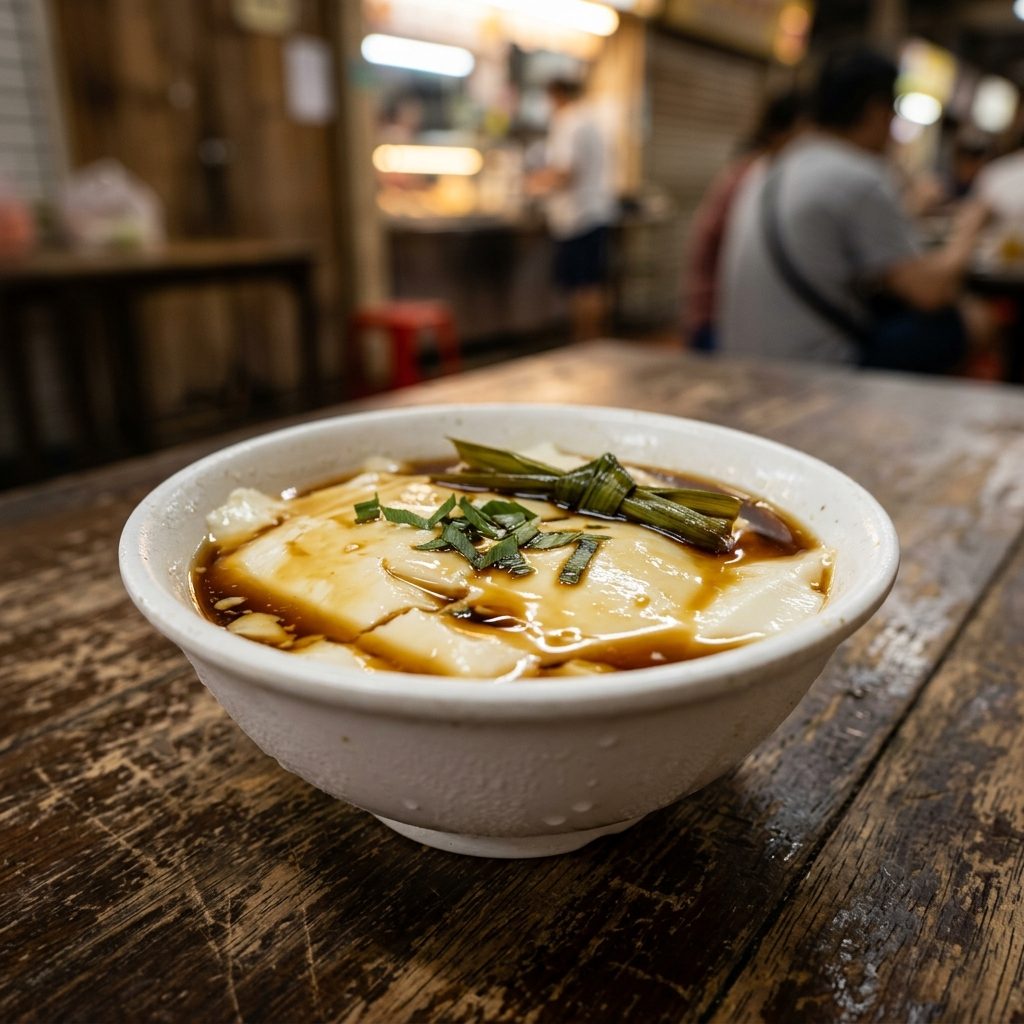
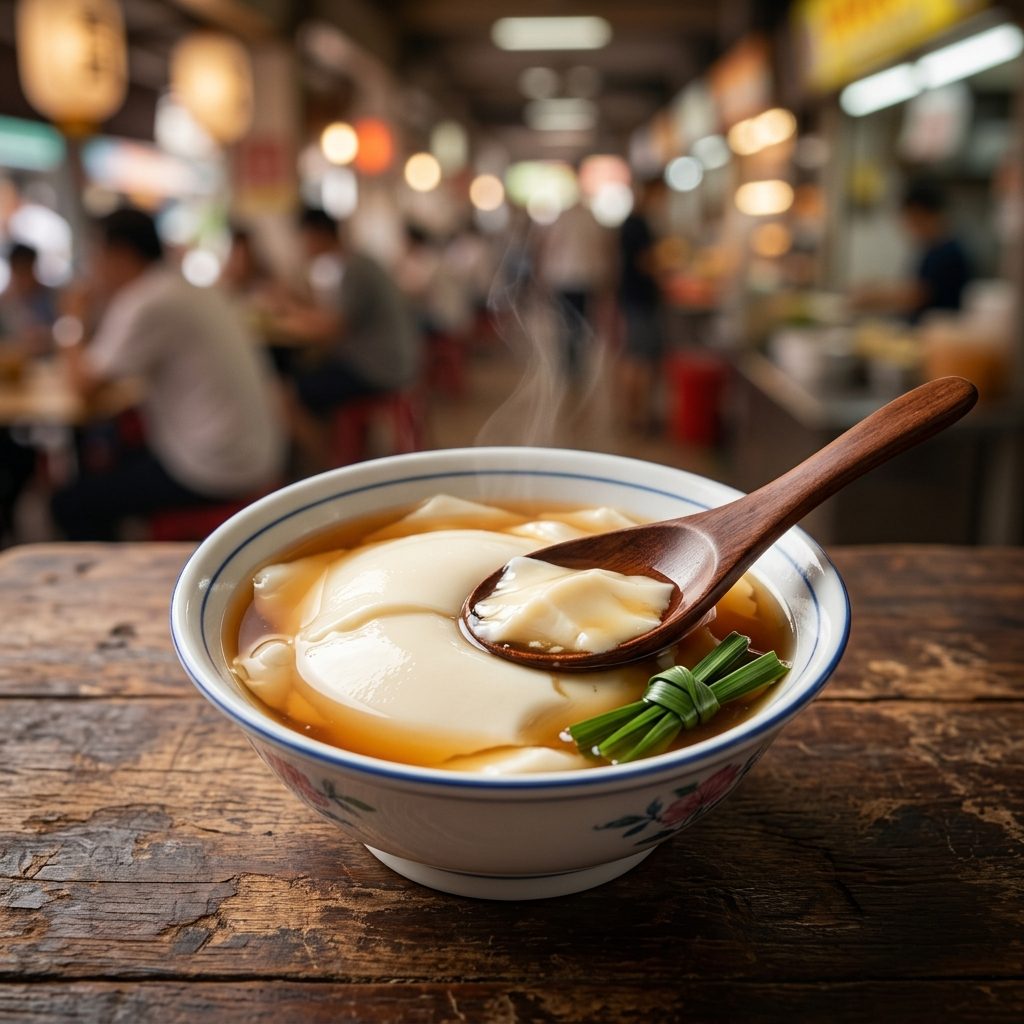
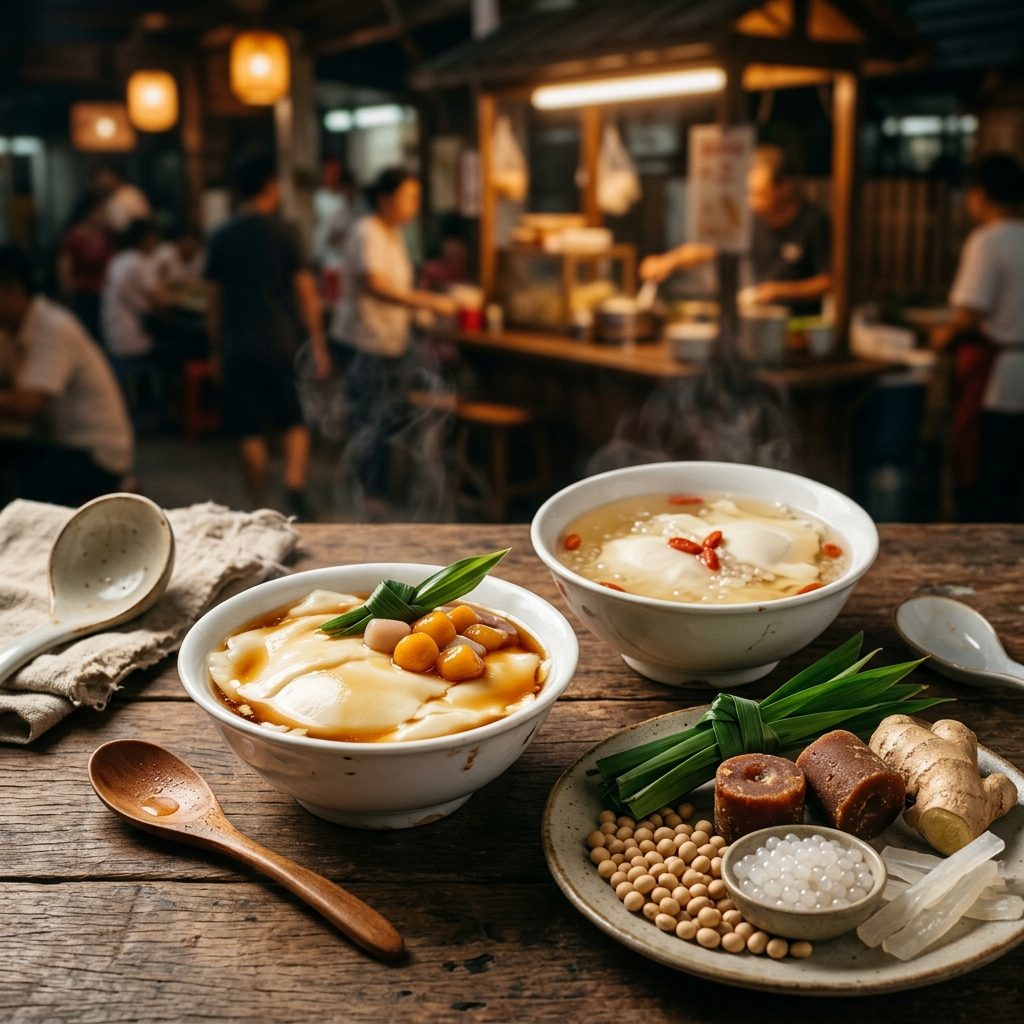
Traditional beancurd is known in Hokkien as Tau Huay (豆花), which literally translates to 'Bean Flower,' referring to the delicate, blossoming curds that form during coagulation. Xi Shi Beancurd (西施豆腐) is named after Xi Shi, one of the Four Beauties of ancient China, symbolizing a texture that is exceptionally smooth, pale, and elegant. While Tau Huay is curdled hot with minerals, Xi Shi beancurd is typically a modern 'pudding' style set cold with stabilizers like gelatine.
Section 2: Preparing the Soya Base
The foundation of both desserts is high-quality soya milk. Use a ratio of 1:6 (dry beans to water). Start by soaking 300g of non-GMO soya beans in plenty of water for 8 to 12 hours at room temperature. After soaking, discard the water and rinse the beans. Blend the beans in batches with 1.8 liters of fresh water using a standard kitchen blender until completely liquefied. To achieve the necessary silkiness without a professional grinder, pour the slurry through a fine sieve lined with a muslin cloth or a nut milk bag. Squeeze firmly to extract every drop of milk, ensuring no grit remains.
Section 3: Boiling and Temperature Control
Transfer the raw milk to a heavy-bottomed pot. Bring it to a gentle boil over medium heat, stirring constantly to prevent the bottom from scorching. Once it reaches a rolling boil, foam will rise; skim this off and reduce the heat to low. Simmer for 15 minutes to cook off the 'beany' raw taste. For traditional Tau Huay, you must use the milk while it is between 80°C and 85°C. For Xi Shi beancurd, the milk can be slightly cooler before adding stabilizers.
Section 4: Setting Traditional Tau Huay (The Gypsum Method)
To set 1.5 liters of soya milk, create a slurry using 1 teaspoon of food-grade gypsum powder (calcium sulfate), 1.5 tablespoons of cornstarch, and 3 tablespoons of room temperature water. Place this slurry in a deep, heat-resistant pot. Give the slurry a quick stir, then 'hit' it with the hot soya milk by pouring the milk from a height of about 30cm in one continuous motion. This creates the necessary turbulence for even coagulation. Cover with a lid and let it sit undisturbed for 30 minutes. Do not move the pot during this time.
Section 5: Setting Xi Shi Beancurd (The Gelatine Method)
For the modern, jelly-like Xi Shi texture, use gelatine. For 1 liter of soya milk, bloom 12g of gelatine powder in 50ml of cold water for 5 minutes. Stir the bloomed gelatine into the hot (but not boiling) soya milk until fully dissolved. For extra richness, many home cooks stir in 50ml of non-dairy creamer or evaporated milk at this stage. Pour the mixture into individual bowls through a fine-mesh strainer to remove bubbles. Refrigerate for at least 6 hours or until firmly set. This version is always served cold.